
2026 Homeowner Checklist: Preventing Concrete Damage Before Spring Thaw
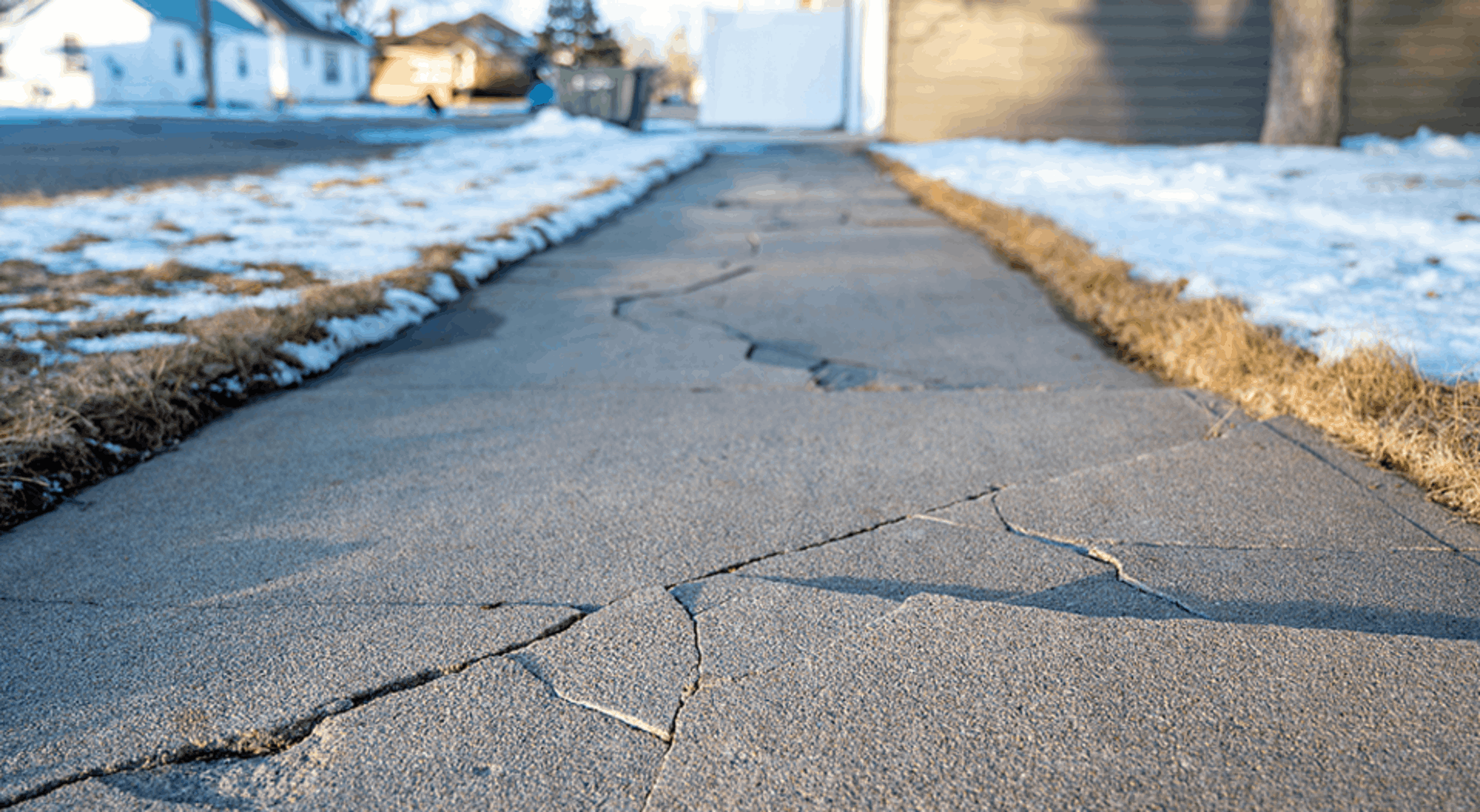
January 12, 2026Winter and early spring are the most hazardous periods that damage concrete. Every year, concrete surfaces undergo a process that most homeowners never notice, until they start to see cracks, sinking slabs, or puddles of water.
While the top layer seems to be stable, the surface under the slabs slowly loses its grip, caused by the tension between the frozen water trapped in tiny cracks of the concrete and the soil that can no longer hold its shape. Each freeze-thaw cycle pushes & pulls, widening the cracks.
In Missouri, homeowners face 30-50 freeze-thaw cycles each winter, with some areas having repeated cycles in a single week. This constant change in temperature speeds up surface damage, especially in driveways, walkways, patios, and even garage floors.
Homeowners who understand this yearly cycle and act before the spring thaw hits can avoid costly repairs. A simple inspection in January or February gives you time to correct small shifts before the temperature warms up
How Spring Thaw Damages Concrete Slabs and Foundations
Spring thaw seriously damages concrete because winter has already weakened its porous surface through repeated temperature fluctuations. Water slips into small cracks and pores during mild days, then freezes again when temperatures drop.
Below the surface, the soil under driveways, patios, and sidewalks begins to expand when frozen and contracts when thawed, creating voids that cause uneven settling.
Why do slabs sink more noticeably in spring? It’s because during spring, the frozen ground releases weeks of meltwater, making the soil saturated and unstable, and the concrete settles into these voids instead of returning to its original position.
This is why slabs appear to sink suddenly in spring, even though the damage began months earlier. You will be able to see the warning signs of the absence of solid ground in Mid-winter, like uneven slabs, new cracks, pooling water, way before spring begins.
2026 Pre-Thaw Concrete Damage Prevention Checklist
Inspect Exterior Concrete Surfaces
Start with a thorough inspection of all exterior concrete surfaces, including driveways, sidewalks, patios, stairs, and curbs. Look for cracks, gaps, sinking sections, heaving edges, and areas where water doesn’t drain properly.
Don’t forget to check interior slabs like garage floors and basement slabs, they can show early signs of movement or moisture intrusion.
Seal Visible Cracks Before Spring Thaw
Sealing cracks before spring blocks water from seeping and expanding during the damaging phase of the season. Hairline surface cracks may be sealed with DIY fillers, but deeper ones need to be fixed by a professional like STL Polyjack to reduce the thaw impact on concrete damage.
Check Drainage and Downspout Placement
Follow your downspouts and confirm they discharge at least 4–6 feet away from the foundation of your home. Also, make sure to clear the water channels so that snowmelt can flow easily without stagnation
melting snow, added to a poor drainage system, is a major cause of erosion and slab settlement. Even minor drainage problems can speed up spring damage.
Monitor Ice Buildup on Concrete Surfaces
Pay attention to areas where heavy ice is forming. The heavy ice adds weight and traps moisture in already weakened areas. Repeated freezing under thick ice can speed up cracking along joints and edges.In an attempt to de-ice, avoid using deicers like rock salt, which strips the surface and speeds up scaling, but you can use concrete-safe ice melt products. Take notice of ice forming in the same spot; it may point to grading or settlement issues.
Inspect Basement Walls and Foundation Areas
Check basement walls and foundation surfaces for moisture, new cracks, gaps, or signs of inward movement. Winter ice can mask deeper foundation problems that become visible during the spring thaw. Catching these changes early helps in preventing serious issues.
Assess High-Traffic Concrete Areas
As a final step, focus on areas that see regular foot or vehicle traffic, including driveways, front steps, and main walkways. Look for surface flaking, spalling, or worn patches caused by deicers or repeated use. These locations tend to show damage first when freeze-thaw stress adds up.
When to Call a Concrete Professional Before Spring
Concrete problems cannot be fixed with only routine maintenance. These problems need professional attention, and waiting until spring will only spread the damage faster. Before the spring thaw loosens the soil, check for certain changes that need professional attention.
- If you notice sinking slabs or trip hazards, the support below the concrete has already shifted. These changes tend to worsen quickly once meltwater enters the soil.
- If you notice cracks that are widening or forming patterns, concrete usually cracks when there are voids and uneven movement under the slabs.
- If you notice water pooling or flowing toward the house, melting snow is slowly washing away the soil underneath, and each freeze-thaw cycle makes the problem harder to control if the temperature rises.
In these cases, reaching out to a concrete professional before the soil fully thaws gives you a chance to fix the problem before it escalates. Early intervention reduces the need for expensive repairs and the risk of having to replace the full concrete slab at the beginning of the year.
How STL Polyjack Helps Prevent Spring Concrete Damage
STL Polyjack focuses on fixing concrete issues at their source, below the surface, before seasonal movement turns minor damages into major repairs. Instead of replacing slabs, polyurethane is injected beneath the concrete to fill voids, restore lost support, and lift the surface back into position. This stabilizes the concrete slabs against spring thaw movement.
In addition to lifting, crack repair and sealing services help block future moisture seepage that initiates freeze-thaw damage. For deeper concerns, in basements and foundation walls, STL Polyjack offers waterproofing solutions and carbon fiber reinforcement systems. Every service we provide starts with free inspection benefits to give homeowners a clear map of what’s happening under their concrete.
Final Tips for a Damage-Free Spring
The perfect time for a routine check is just before winter ends. Having a quick walk around your home shows the winter damage. Spot the small changes now, and problems will be easier to repair.
Here’s a summary of a concrete maintenance checklist you need in 2026.
☐ Recheck all exterior slabs for cracks, sinking, or uneven edges
☐ Look for areas where water collects or drains toward your concrete
☐ Confirm downspouts and melt paths move away and not under slabs
☐ Watch for ice that keeps returning in the same spots
☐ Inspect garage and basement slabs for moisture or shifting
☐ Pay close attention to driveways, steps, and walkways with heavy use
☐ Flag small issues now before soil softens
The best time to schedule inspections is January through March, while the ground is still partially frozen and settlement is easier to spot. Waiting until warm weather will only worsen the damage. Getting ahead of it now gives you more options, lower repair costs, and a better way to start spring.
Beat the thaw. Fix the Concrete problems before they start.
Frequently Asked Questions
Spring thaw melts snow and ice all at once, saturating the soil under the slabs, which makes concrete lose its support. Winter accumulates damage, but spring shows the effects.
Uneven slab edges, new cracks, and water pooling near concrete surfaces are early signs. Spotting these early prevents costly repairs.
Check concrete surfaces at least once mid-winter and again before the spring thaw. Focus on temperature swings or snowmelt; early detection helps limit damage and repair costs.
Sealing is most effective before the spring thaw when cracks are visible. It prevents water from entering slabs and damaging surfaces. Early spring is the ideal window for preventive sealing.
No, rock salt and some chemicals can damage concrete. Use concrete-safe ice-melt carefully. Make sure water drains away from the surfaces.