Can Snow and Ice Damage Your Concrete Driveway?
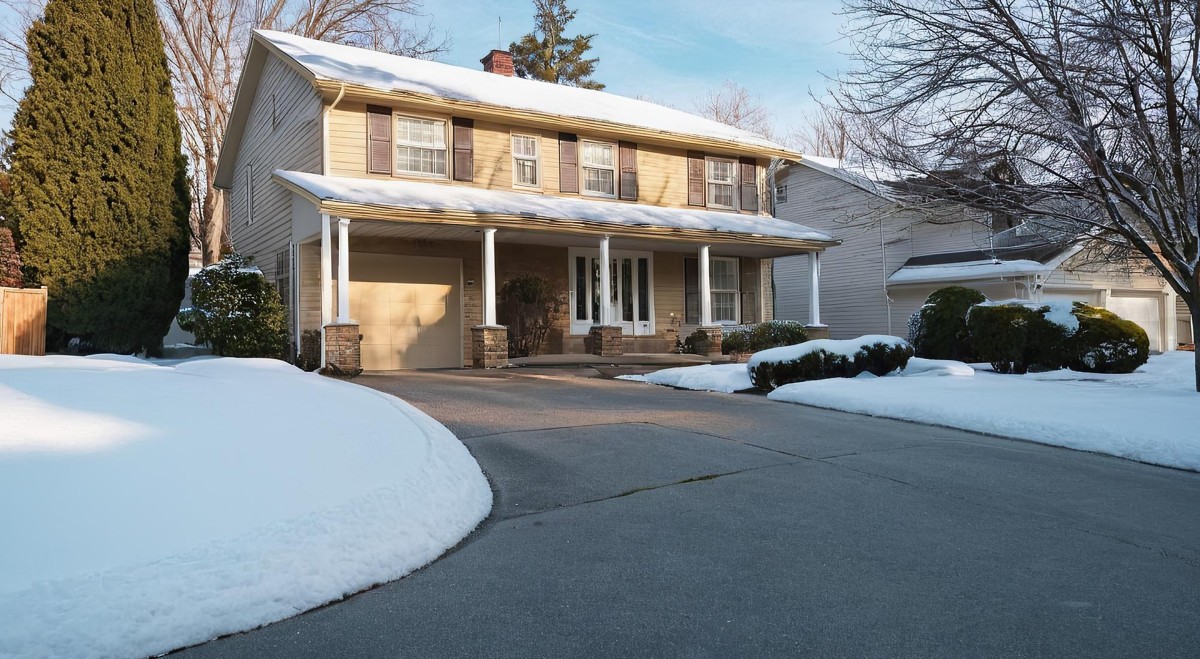
November 20, 2025The idea that snow and ice do not really harm your driveway is one of the biggest winter myths. And most homeowners don’t think about protecting their driveway from the snow until the snow starts melting and they see cracks for the first time.
Winter in Missouri is no joke, your driveway experiences freezing temperatures, heavy snow, and icy surfaces. Each freeze-thaw cycle makes the surface expand and contract, and creates gaps where moisture seeps in, deepening the cracks.
Understanding how cold weather affects your driveway can help you see how your driveway holds up during cold weather struggles. For homeowners, knowing what happens under the surface shows how tiny cracks, trapped water, and temperature shifts slowly damage concrete.
So, can snow and ice actually harm your concrete? Yes, the damage is not visible at once, but it builds up during winter. Small hidden cracks can turn into rough spots, leaving clear signs of wear.
How Winter Weather Damages Your St. Louis Driveway
Lorem ipsum dolor sit amet, consectetur adipiscIt’s not the cold that breaks your concrete, it’s the water trapped inside that seeps through the porous surface of the concrete. The water turns into ice as the temperatures drop, the water that is frozen expands and creates an internal pressure that forces the concrete slabs apart, causing cracks. Each time this contraction and expansion repeat over and over, the surface weakens, leading to cracks and chips.
On top of that, the ice buildup and trapped moisture on the surface make the concrete fragile. Because when the surface remains wet and the water freezes, it separates the top layer of cement from the base materials, making the surface blister and peel.
But the worst part is our attempts to solve the ice problem with road salt and harsh de-icers. They melt ice fast but also pull more moisture into the concrete, increasing the freeze-thaw damage.
4 Key Signs of Winter Damage
Surface Cracks and Scaling:
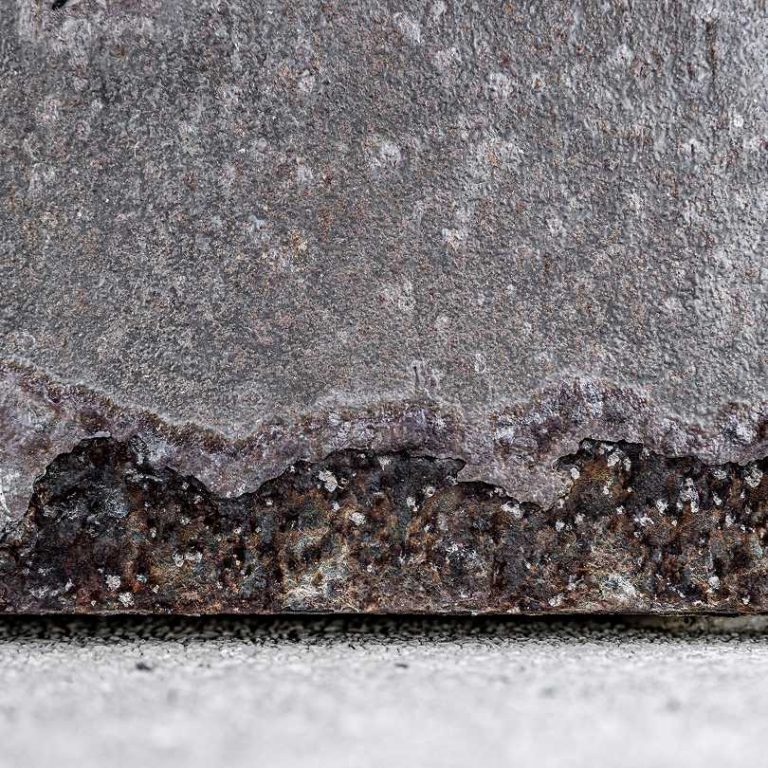
Keep an eye out for the very first signs of damage, where the top layer of concrete is peeling, flaking, or turning to dust. This happens because the water trapped inside is slowly expanding and pushing the surface apart. If these tiny cracks are not sealed, it could let more water in, increasing the damage over time.
Pitting or Flaking Concrete:
Tiny divots, holes, or rough patches are signs of concrete breakdown. Water and snow are trapped in the porous concrete surface, and when road salt or de-icer is used to clean up the surface. Speeds up the deterioration process and makes the driveway weaker and more prone to damage.
Uneven areas or Sunken areas:
When sections of your driveway tilt or sink after the snow melts, that could be because the concrete contracts during freezing and then changes as it thaws, leaving gaps under the slab and trapping water.
Water Pooling or Drainage Issues:
As temperatures rise, the snow melts, showing spots where water collects. This stagnant water adds to the problem by eroding the base more and also causing trip hazards. It can also stain, loosen surface particles, and make the driveway prone to more damage with each passing season.
4 Ways to Prevent Winter Driveway Damage in St. Louis
When you see your driveway in bad shape after winter, you immediately think of a way to prevent it from repeating next winter. The cracks, chips, and uneven spots don’t appear overnight; they are built up by repeated damage from snow and ice. You can prevent most of this damage with a few simple habits.
Switch Your De-icer:
Seal the Surface:
Keeping your driveway sealed and maintained is your best defence against winter damage. Seal your driveway and keep the moisture out, it blocks water and salt from getting into tiny pores.
Clear Snow Before it Hardens:
Skip Metal Shovels and Snow Blowers:
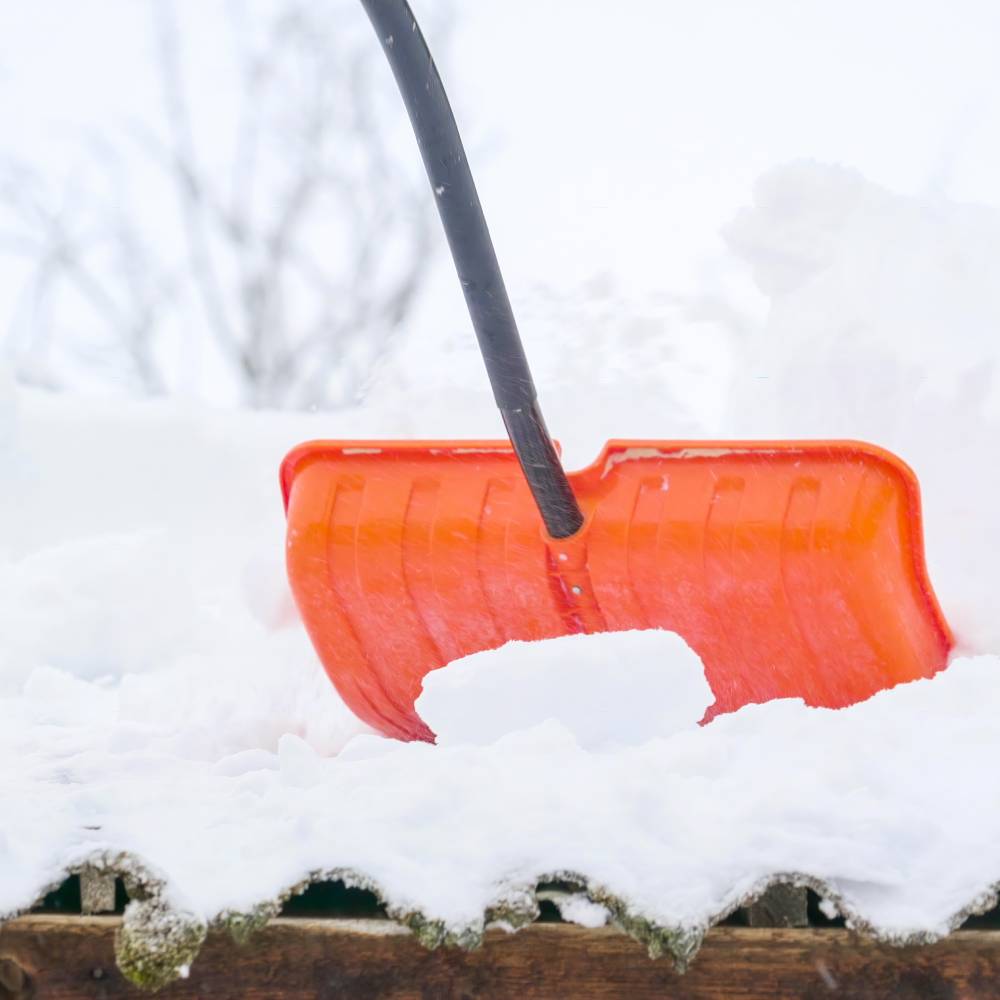
Metal blades might look strong, but they can scratch and chip your concrete. Each scrape can chip the surface of your concrete, leaving small marks that turn into cracks later. The same goes for snow blowers; if they have metal blades, they can dig into the surface and damage it. A better option is a plastic shovel or a soft-edged shovel, which works better and is much more gentle on your concrete.
Fixing Winter Damage Without Replacing The Driveway
The root of uneven concrete is the shifting soil caused by the freeze-thaw cycle. For this foundation damage, polyurethane lifting and leveling (polyjacking) is the best solution. In this process, we inject an eco-friendly foam under the slab. This foam instantly expands, lifting the concrete back to the right level. It’s built to hold up against Missouri’s cold weather.
For smaller cracks or gaps, sealing and caulking should be the first choice. Filling these cracks keeps water from seeping under the concrete and prevents further damage. These repair options for quality driveway repair in St. Louis are quick, durable, and affordable, making it a better choice than replacement.
Conclusion: Why Regular Maintenance Matters
Your driveway lasts longer when you care for it. Regular maintenance not only stops small cracks from spreading but also adds years to your driveway’s lifespan. Fixing small problems costs much less than replacing the whole driveway later. A well-maintained driveway boosts both the curb appeal and safety of your house. It is a small effort that protects your investment.
If winter has already caused some damage, it’s time to fix it up. Professional Driveway Repair in St. Louis can restore your concrete and make it stronger for the next season.
Did winter leave your driveway cracked or uneven?
Contact STL Polyjack today for a free quote - we’ll help restore your driveway before winter hits again.