How Moisture Affects Concrete: The Role of Waterproofing in Longevity
May 22, 2025Concrete is important for the structure of sidewalks, driveways, patios, and foundations for a reason: it’s strong, durable, and long-lasting. However, one thing that you have to keep in mind is moisture.
Understand that water can work its way into concrete, which can actually weaken it from the inside. If you’ve ever wondered why cracks appear in your driveway or why your basement always seems damp, moisture could be the reason. That’s why waterproofing is one of the smartest ways to protect your concrete and extend its life.
Let’s get into the blog and understand how water affects concrete, what kind of damage it can cause, and how waterproofing can help.
What’s Really Happening to the Concrete When it is Moist?
Concrete might seem to be totally solid, but it’s actually porous. That means it naturally absorbs water from its surroundings, whether it’s rain, melting snow, irrigation runoff, or humidity. Water seeps in and moves through tiny pores in the concrete through a process called capillary action.
When the temperature drops, this moisture freezes and expands. This slowly starts to break down the surface and can cause major issues over time.
What Kind of Damage Does Moisture Cause?
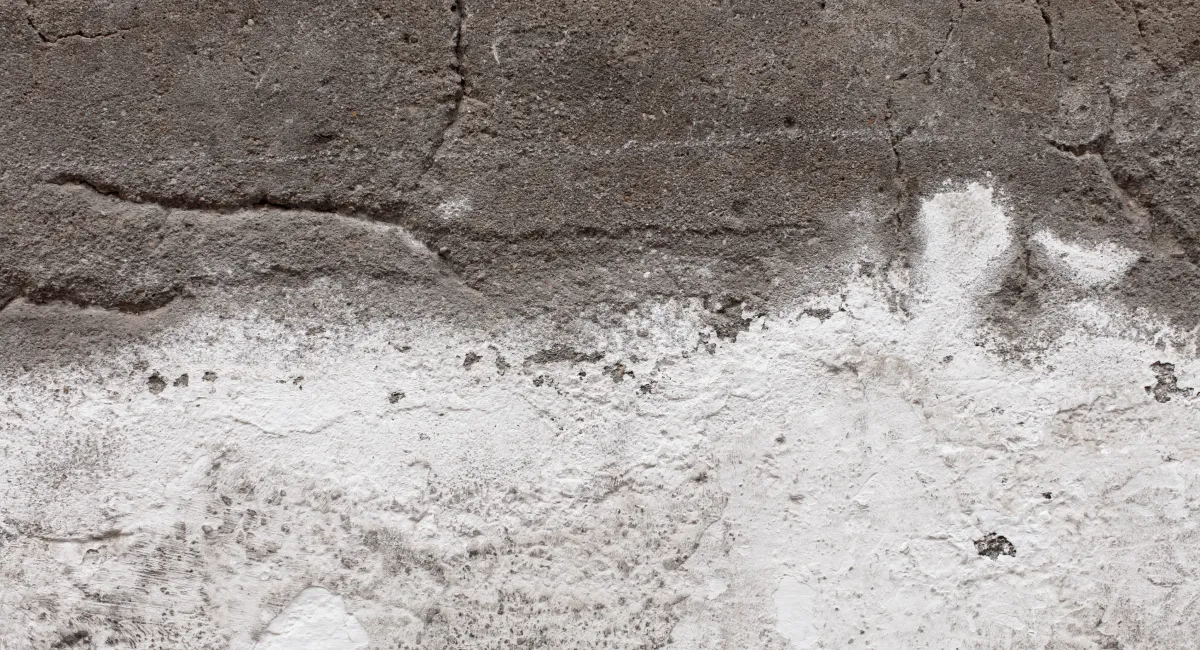
- Cracking and flaking
Repeated moisture exposure can lead to surface cracks and flaking, especially when it freezes. - Soil washout
Water underneath your concrete can soften or wash away the soil, and that causes slabs to sink or shift. - Mold and mildew
In damp areas like basements, moisture will be the reason for mold growth and that musty smell. - Rusting rebar
In structural concrete, moisture can reach the steel reinforcements inside and cause rust, which weakens the entire structure.
Moisture Trouble Through the Seasons
- Winter: Freeze-thaw cycles can do serious damage especially in older or unsealed concrete.
- Spring: Heavy rains cause high groundwater levels and increased moisture around your home’s foundation.
- Summer: Dry, shrunken soil can shift, then suddenly it causes swelling again after a storm, causing cracks or uneven surfaces.
Your First Line of Defense in Waterproofing
- Surface sealants and coatings to block water at the surface level
- Polyurethane foam injections that fill cracks and voids beneath concrete slabs
- Drainage improvements around your property to redirect water flow
Why Polyurethane Foam Stands Out
Here’s why it’s so effective:
- It fills cracks and seals out water
- It stabilizes the soil and lifts sunken areas
- It cures quickly, usually within 30 minutes
- It doesn’t require major construction or a mess
Because it tackles both structural and moisture issues at the same time, polyurethane foam offers a lasting, low-hassle fix.
When to Waterproof?
Look for these signs:
- Cracks or settling in your driveway, sidewalk, or patio
- Water pooling or soft spots near the concrete
- Musty odors or visible dampness in the basement
- Discoloration or surface erosion
Conclusion
Water may seem harmless, but it actually causes quite a bit of damage to the concrete, causing cracks, settlement, mold, and even structural failure. Waterproofing is one of the simplest and smartest ways to protect your investment and avoid major repair costs in the future.
If you’re noticing signs of moisture damage or just want to get ahead of the problem, it’s a good idea to connect with a waterproofing company in St. Louis that understands the local climate and soil conditions and gives you a perfect solution accordingly.
Want to protect your concrete from moisture damage? Reach out today for a free consultation!