How to Spot Early Signs of Concrete Settlement

March 25, 2025

Think a small crack in your concrete is no big deal? Think again!

If you think your concrete settlement isn’t a big deal, you might be taking a risk. You have to be aware that untreated concrete settlement can lower your property value by up to 10%. In St.Louis, concrete settlement is a common issue but if it is left unnoticed it leads to heavy damage and costly repair. Concrete settlement can affect slabs, sidewalks, driveways, and foundations. These surfaces rely on the soil underneath for support, but when the soil shifts or weakens, the concrete starts to sink or crack. When you start to spot the signs early, you are saved from costly repairs.

Common Reasons Why Concrete Sinks and How to Prevent It

Concrete needs a strong, stable base to stay in place. If the soil beneath is weak, the concrete will begin to sink. Certain soil types expand when wet and shrink as they dry. Tree roots in the surrounding area can absorb moisture, causing the soil to dry out even faster. Additionally, heavy rain and drought can wash away or shift the soil creating empty spaces beneath the concrete. Without proper support, the concrete eventually sinks or cracks. This process speeds up in high-traffic areas like driveways and parking lots where constant pressure puts more stress on the surface.

Early Signs to Watch For

Cracks in Concrete Surfaces

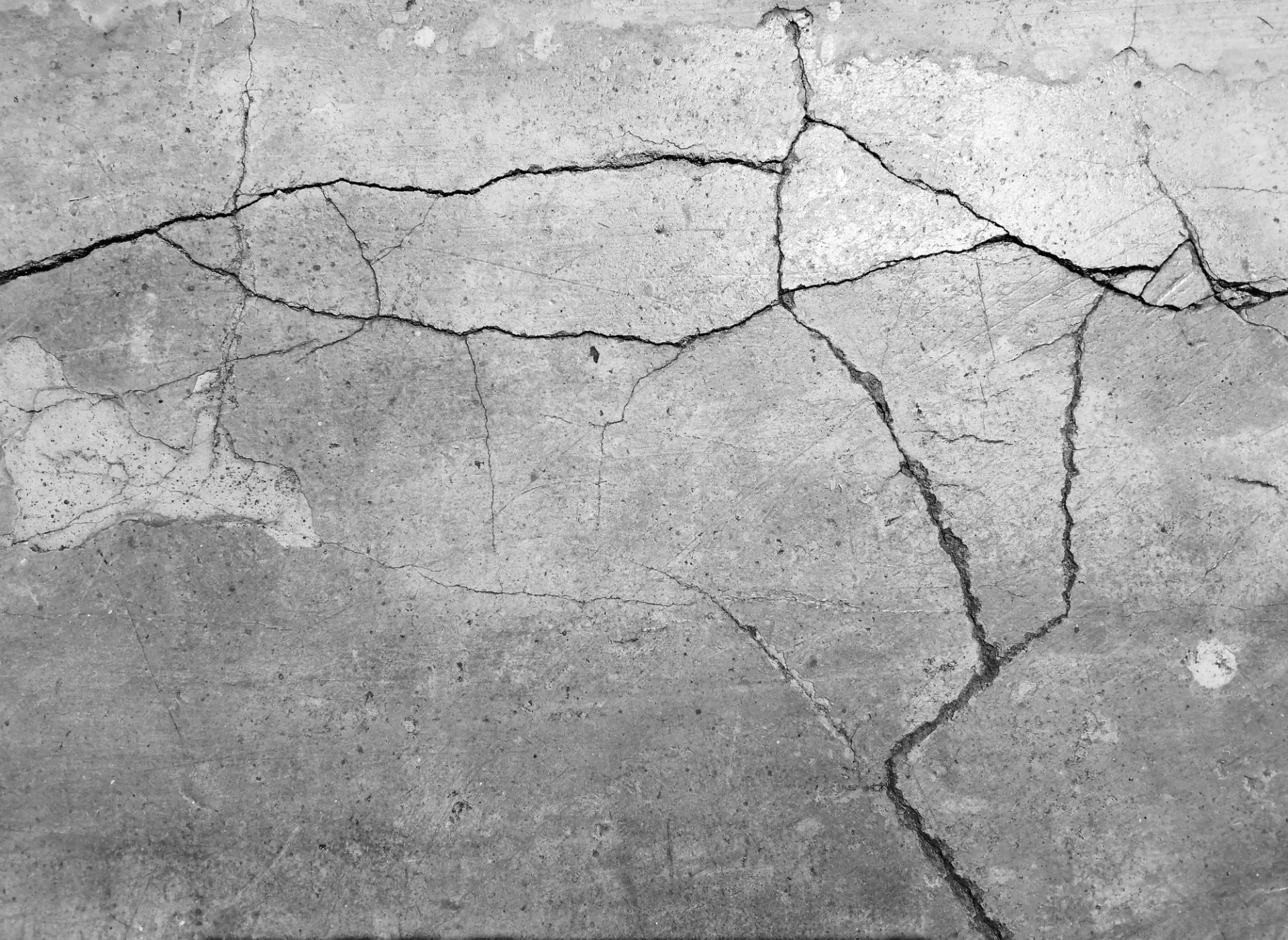
Cracks are the basic and the first signs of settlement. Small hairline cracks may seem harmless but if they begin widening or appear in multiple places, they indicate movement beneath the surface, which you have to consider. Heavy vehicle traffic is most commonly seen in driveways, sidewalks, patios, and foundations.

Most homeowners notice a few small cracks in their driveway after the rainy season. After a few days, those cracks started to widen and split up into sections with some sinking. So it is highly recommended to look after the minor issues at the earlier stage.

Uneven or Sunken Areas

A slight difference in elevation between concrete sections can be an early indicator of settlement. A simple test is the “trip hazard” method. If you can feel an abrupt height difference when walking, then it might be time to investigate.

Water Pooling on Concrete

When water accumulates in puddles on concrete surfaces, improper drainage is often suggested because of the settling. Standing water not only erodes the underlying soil but also brings you additional cracking.

Difficulty Opening Doors & Windows

If your home’s foundation is settling it may be due to misalignment in the structure. Doors and windows may stick and you will find it harder to open or close. This accompanies other foundation-related red flags such as cracks in interior walls or sloping floors.

Gaps Between Concrete and Adjacent Structures

Settlement can cause gaps to form between concrete slabs and adjacent structures like stairs, garage floors, or exterior walls. These gaps may start small but expand over a period that causes safety risks and structural instability.

What to Do If You Notice Concrete Sinking

Avoid DIY Fixes

While patching a crack or adding extra concrete seems like simple fixes, these are only temporary solutions. You should understand that DIY repairs do not address the root cause. After some time, these quick fixes can worsen the issue leading to more cracks, uneven surfaces, and costly repairs. Before you attempt to fix it through DIY, it is recommended to contact a professional concrete expert.

Contact a Professional for an Inspection

Experts can assess the severity of the settlement and give you the best plan of action. They also use specialized tools to measure the sinking areas and identify the exact soil problems. A professional evaluation will give you the right solution and prevent you from further damage.

Consider Polyurethane Foam Lifting

One of the most effective solutions for concrete settlement is polyurethane foam lifting. This modern technique is cost-effective and provides long-lasting stability. The process involves injecting a lightweight, water-resistant foam which expands to lift and level up the surface. The polyurethane foam cures quickly and prevents further soil erosion making it a stress-free solution rather than traditional methods.

Conclusion

Fix your concrete issues before it’s too late! Analyzing and detecting concrete settlement early can save you from major structural issues and costly repairs. If you notice any warning signs, don’t wait to schedule a professional inspection. Concrete leveling in St. Louis is an appropriate solution that can restore safety and durability to your property. With over 25 years of experience, STL Polyjack has been a trusted name in concrete repair across St. Louis. We’ve successfully helped numerous commercial and residential clients restore and strengthen their concrete surfaces. Contact STL Polyjack today to get your free quote!