Interior Concrete Slab Problems: What Causes Them and How We Fix Them
January 20, 2026Interior concrete floors are assumed to be the safest surfaces because they are away from the outdoor weather changes. Surfaces like basement slabs, garage floors, and interior room additions may be indoors, but they sit on the same soil as exterior concrete and are just as vulnerable under the surface.
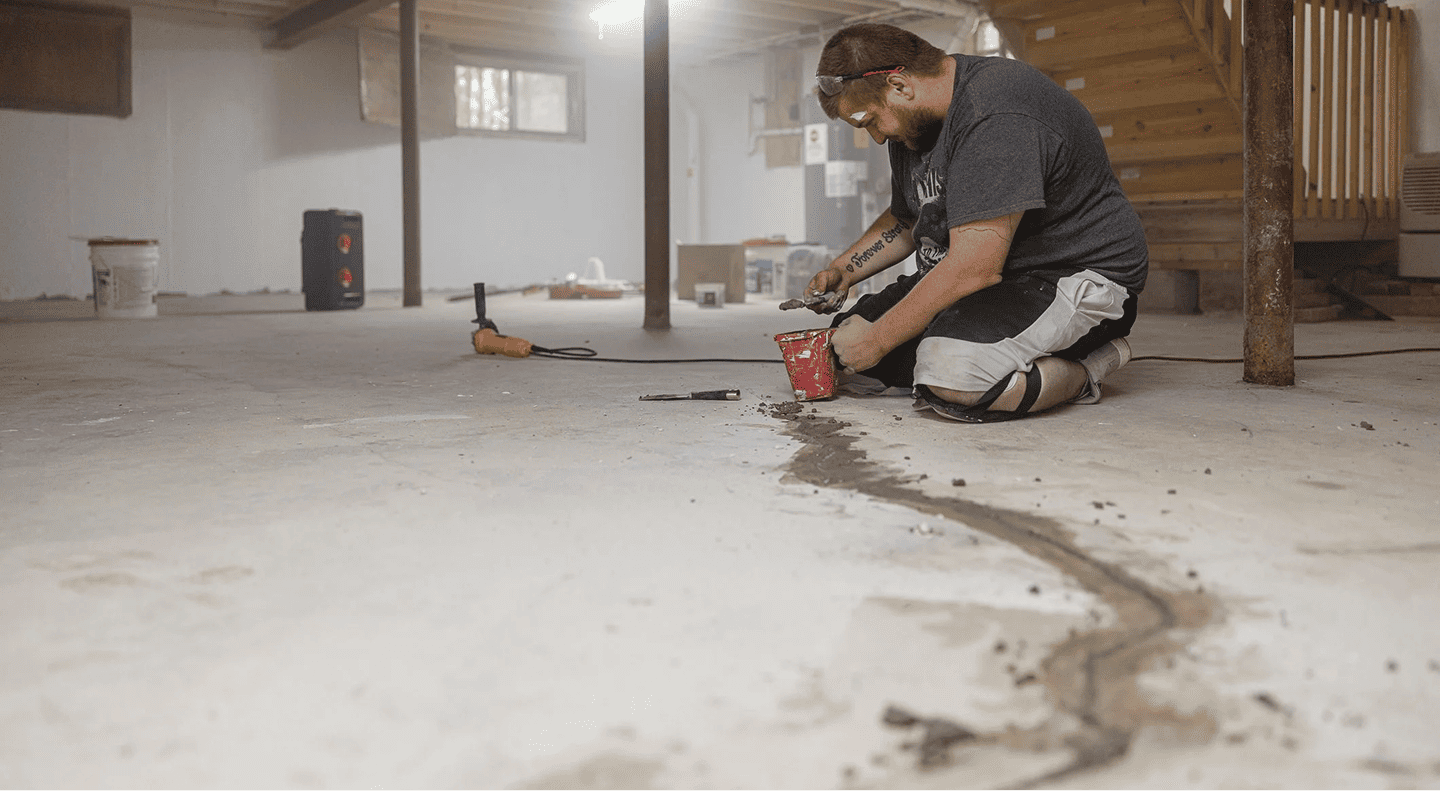
The damage always begins with small changes inside your home, a small crack appearing along the basement wall, or water collecting in a low corner of the garage. These minor issues are usually dismissed as normal issues, but they show the early signs of interior concrete slab settlement.
Because the signs develop slowly, interior slab problems are often dismissed. In this blog, we’ll walk you through the common causes of interior slab issues, how to identify warning signs before they escalate, and why STL Polyjack’s repair methods are trusted by homeowners and property managers in St. Louis.
Identifying Interior Concrete Slab Problems: Trip Hazards & Cracks
Interior slab issues begin subtly and are always mistaken for cosmetic or seasonal changes, but even minor shifts in the floor can show serious structural concerns. These are some of the most common signs that you should never ignore.
Uneven or sloping interior floors
- Gaps between the concrete slab and walls or baseboards
- Cracks that slowly widen over time
- Interior doors that stick or no longer close properly
- Water pooling in low areas of the floor
- Musty odors or ongoing moisture in basements
What Causes Interior Concrete Slabs to Sink or Crack?
Soil Erosion
Water intrusion is one of the biggest reasons interior slabs lose support. Poor drainage or leaking plumbing lines can wash away soil beneath the slab, leaving empty spaces that cause concrete to settle or crack.
Poor Soil Compaction During Construction
If the soil wasn’t properly compacted during construction, the slab may settle over time under the weight of the house. These changes can take years to appear, which can be missed in the early stages.
Excess Moisture & Hydrostatic Pressure
Groundwater pushing upward creates hydrostatic pressure in basement floors, which can shift slabs and force moisture through cracks.
Expansive Soils in Missouri
Clay-rich soils, which are very common in Missouri, expand when wet and shrink when dry. This constant movement leads to seasonal shifting that places stress on interior concrete slabs.
Heavy Loads Inside the Home
Large appliances, storage units, machinery, or vehicles in garages can place uneven pressure on slabs. Over time, this added weight can contribute to cracking or sinking in specific areas
Why You Shouldn’t Ignore Interior Slab Issues
Ignoring subtle interior slab problems can lead to structural damage if left untreated. And these uneven floors create trip hazards and add stress on walls and structural elements.
How STL Polyjack Fixes Interior Concrete Slab Problems
Polyurethane Foam Lifting
We use precision polyjacking for interiors to lift and level sinking slabs. Small holes are drilled, and polyurethane foam is injected beneath the slab. The foam expands, fills voids, and gently raises the concrete back into place.
Deep Foam Injection to Fill Voids Under Slabs
When soil erosion creates empty pockets under slabs, deep foam injection stabilizes the area. The expanding foam fills gaps, restores support, and helps prevent further movement.
Interior Concrete Crack Repair and Joint Sealing
Concrete crack sealing and stabilization prevent water from entering the slab and causing further damage. Sealing also strengthens slab edges and transition points, reducing future cracking.
Waterproofing Solutions (If Needed)
In cases where moisture is a larger concern, slab lifting may be paired with waterproofing solutions. Addressing water issues alongside repairs offers full protection and helps prevent recurring problems.
What to Expect During an Interior Concrete Slab Inspection
When you schedule an interior concrete slab inspection with STL Polyjack, the goal of our team is to understand what’s really causing the problem and get an answer to fix the issues.
Here’s how the process usually works and what homeowners and property managers can expect.
We use specialized tools like levels, moisture meters, and thermal imaging (if needed) to detect hidden issues. These tools help pinpoint dips, voids, and moisture intrusion that are not obvious to the naked eye.
By combining these measurements with an assessment of soil conditions, load distribution, and moisture patterns, our team can distinguish between commercial signs and underlying causes.
An important part of the inspection is understanding why the slab is sinking or cracking. Our technician looks for signs of poor soil compaction, voids beneath the concrete, plumbing leaks, or expansive clay soils common in Missouri.
This makes sure the repair plan focuses on preventing future slab failure, not just lifting the concrete temporarily.
Cost and Timeline: What Homeowners Can Expect
The cost of interior concrete slab repair varies because no two slab problems are exactly alike. Factors like the size of the affected area or how much the slab has settled, the approximate cost can fall within a broad range, based on the need for the level of work required.
In terms of timing, interior slab repairs that involve polyurethane foam lifting are typically completed in a single visit, mostly within just a few hours. Because the foam cures quickly, the area can be used soon after the work is done.
Preparation is usually minimal for most homeowners. Before the work begins, homeowners are usually asked to move lightweight items such as boxes, furniture, or stored belongings off the slab. Heavy appliances or equipment are evaluated during the inspection to determine whether they need to be moved or can remain in place.
When to Call STL Polyjack for Interior Slab Repair
Don’t wait until small cracks turn into major structural issues. In most cases, they slowly worsen as soil movement and moisture continue beneath the concrete. If the concrete is shifting, time works against you and not in your favour.
At STL Polyjack, we recommend taking action when shifting slabs change the interior structure of your home. Common indicators to watch out for:
- Sinking or uneven floors, especially in basements or garage interiors.
- Persistent cracks that reappear even after patching, usually tracing the same lines.
- Water pooling in new places suggests that the slab position is altered because of settlements.
- Gaps forming along walls, show that slabs are separated from their structure.
- Interior doors that stick or shift, despite no changes to hinges or frames.
At this point, these issues completely hinder the structural foundation of your home. This is a risk to the functioning of the space. Address the cause at the earliest, before the damage spreads further through the concrete surfaces.
Hidden Damages Start Below. We Find Its Source and Fix it
Frequently Asked Questions
Some cracks are small and mostly cosmetic, but larger cracks mean the slab is starting to shift. Cracks are an early sign of sinking concrete. This can point to bigger problems below the surface.
Yes, garage and basement floors are usually separate from the foundation. That means they can shift even if the foundation walls are fine. This is a common issue that most homeowners face.
Fixing uneven floors and cracks makes walking around safer for everyone. Stable slabs prevent uneven flooring and structural stress. Making sure the tenants have a safer living environment.
Yes, uneven floors and visible cracks stand out during inspections. Even if the foundation is fine, buyers still worry. Fixing the issue early helps protect your home’s value.
Yes, it’s safe. Our team carefully injects the foam to lift and stabilize the slab without disturbing pipes or plumbing. It strengthens your floor while keeping everything underneath in place.