The Connection Between Poor Drainage and Sinking Concrete
August 20, 2025If you’ve ever stepped onto a driveway that feels uneven under your feet or noticed your patio sinking in one corner, then you’ve likely experienced the results of poor drainage in action. At first, it might look like just a small cosmetic issue, but underneath, there’s a much bigger problem.
Water is concrete’s silent enemy. While concrete itself is strong, the soil underneath is what actually carries the weight. When drainage is poor, water seeps into the soil and actually causes it to shift, wash away, or compact unevenly. Your once-flat surface starts to sink or crack.
Why Does Poor Drainage Damage Concrete?
When water isn’t directed away from your home or property, it tends to settle around concrete structures like driveways, walkways, and patios. Over time, that standing water can erode the soil or cause it to swell and shrink with changing moisture levels.
Think of the soil beneath your concrete like a mattress. If part of the mattress gets pushed down, the surface above it will sag. This is exactly what happens when water damages the base layer under concrete: the weight above can no longer be supported evenly.
Common Drainage Problems That Lead To Sinking Concrete
- Downspouts that empty too close to driveways or walkways.
- Poor grading that allows water to flow toward, not away from concrete.
- Clogged gutters that cause overflow directly onto concrete surfaces.
- Underground leaks from sprinklers or plumbing.
The Early Signs You Might Be Ignoring:
Here’s what to watch for,
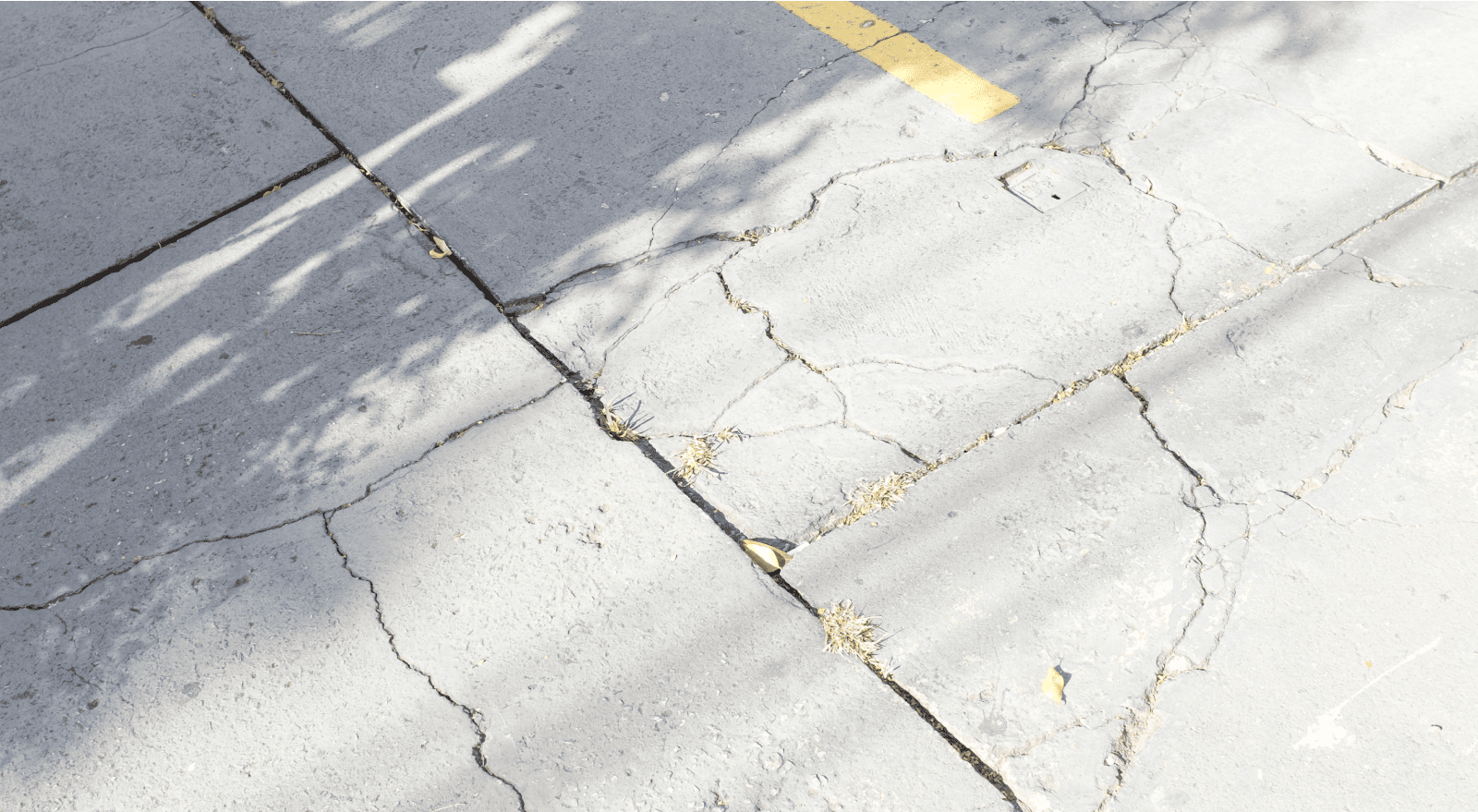
- Small cracks are forming across the surface.
- Edges that look like they’re pulling away from surrounding areas.
- Pooled water after rain that never seems to drain.
- Uneven sections you can feel when walking.
Spotting these early signs can save you a lot of time and money, because the sooner you address drainage issues, the less structural damage your concrete will face.
How Fixing Drainage First Can Save Your Concrete
- Extending downspouts to move water farther away from the slab.
- Regrading soil so it slopes away from your home and walkways.
- Installing French drains to redirect water underground.
- Cleaning and maintaining gutters so water doesn’t overflow in the wrong place.
Once water is properly managed, concrete repairs will last much longer because the soil beneath them will remain stable.
Repairing Sinking Concrete Without Starting Over
Many people think that sinking or uneven concrete automatically means replacement, but that’s not always true. Modern repair methods can restore a slab’s position without the cost and mess of demolition.
Two common techniques are:
- Mudjacking – Pumping a cement-based mixture beneath the slab to lift it.
- Polyjacking – Using expanding foam to raise and support the concrete with minimal disruption.
Both methods can be done quickly, often in just a few hours, and can extend the life of your concrete for years, provided drainage issues are already fixed.
Preventive Drainage Maintenance Tips
The Cost of Waiting
Leaving drainage problems unnoticed can lead to safety hazards and even damage to nearby structures. Uneven concrete is a risk, which is especially dangerous for kids, the elderly, or guests.
Adding to that, the longer water has to erode the base under your slab, the more expensive the repair. What starts as a small lift job could turn into a full replacement if the soil damage spreads too far.
Bringing It All Together
Poor drainage and sinking concrete are a package deal; one almost always leads to the other. The best way to protect your concrete is to deal with water problems before they cause soil movement. Then, invest in the right repair method to restore your slab’s appearance and safety.
If your concrete is already showing signs of sinking, fixing the drainage and repairing the surface will not only improve curb appeal but also prevent future troubles. For property owners who want lasting results, professional Concrete Repair Services in St. Louis can make sure the job is done right the first time.