The Cost Comparison: Polyjacking vs. Traditional Concrete Repair

March 25, 2025
If you live in St. Louis, you know how unpredictable the weather can be and that can take a toll on your concrete surfaces. Over a while, sidewalks, driveways, and patios start to sink or crack and when that happens finding the right repair method is crucial. After all, you need a solution that not only fixes the problem but also lasts. Unpredictable weather can speed up concrete damage, leading to costly repairs. While quick fixes may seem to be budget-friendly, you should know that it often requires repeated work. Choosing the right solution from the start saves you money in the long run.

It’s Not Just About Cost, Think Long-Term!

Sure, price is a big factor, but have you ever thought about how much you might spend on repeat repairs? Some fixes may seem budget-friendly at first, but if they don’t last, then you could end up paying more. That’s why it’s important to consider not just the cost but also the durability and effectiveness of the repair method you choose.

Understanding the Repair Methods

What is Polyjacking?

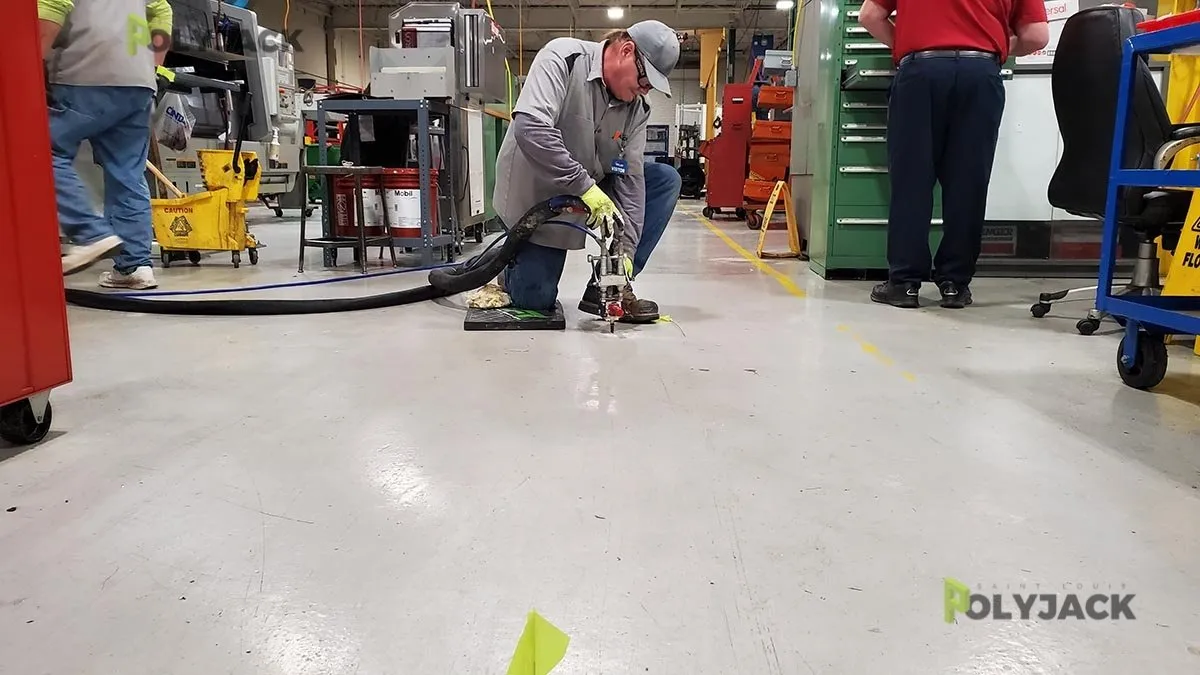
Polyjacking, also known as polyurethane foam lifting, is a modern repair method that involves injecting expanding foam beneath the sunken concrete. This foam fills voids, stabilizes the soil, and lifts the concrete back into place.

Key Benefits

Lightweight

The polyurethane foam used in polyjacking is extremely light, meaning it won’t add extra stress to the already weak soil underneath. By avoiding additional weight, it significantly reduces the chances of future settlement, making it a long-term solution.

Fast-Curing

Unlike traditional methods that require days to set, polyjacking allows you to use the repaired surface within just a few hours. This is especially beneficial for driveways, sidewalks, and commercial spaces where downtime can be inconvenient and costly.

Long-Lasting

Polyurethane foam is water-resistant and does not break down over time. This makes it a highly durable solution that prevents erosion and ensures your concrete remains stable for years without the need for frequent repairs.

Classic Concrete Repair Techniques

Traditional concrete repair techniques rely on older methods such as mudjacking, slab replacement, and patching. While they can offer temporary fixes they often fail to provide a long-term solution to concrete settlement problems.

Common Methods

Mudjacking

This method involves injecting a heavy cement-based slurry under the concrete slab to lift it back into place. However, since the slurry is heavy it starts to sink. Additionally, exposure to moisture can weaken the material leading to erosion and resulting in repeated repairs.

Slab Replacement

Replacing a sinking slab entirely may seem like the best solution. However, this process requires breaking and removing the existing concrete making it into a new slab, eventually waiting for it to cure. The time, labor, and material costs make it much more expensive and time-consuming.

Patching

Patching is a quick, surface-level solution that helps to cover cracks and minor damage. While it improves the appearance of concrete, it does not address the root cause of the issue. As a result, cracks often reappear and the issue worsens over time.

Limitations

Shorter Lifespan

Mudjacking may provide a temporary lift but it often needs to be redone within a few years as the material settles and weakens. So you have to repeat the repairs and that increases the costs over time.

Longer Downtime

Traditional concrete replacement requires several days to cure before it becomes fully functional. This can be inconvenient for homeowners and businesses, especially when dealing with essential areas like driveways and walkways.

Heavy Material

The cement-based slurry is also used in necessary areas when it is dense and that adds extra weight to the underlying soil. If the ground is already unstable, this additional load can accelerate future settlement and that leads to more sinking and cracks.

Cost Breakdown of Each Method

Initial Costs

Polyjacking costs may range from $5–$25 per square foot, depending on the repair size.

Mudjacking costs may range from $3–$8 per square foot but require frequent reapplication.

Slab Replacement can range from $6–$15 per square foot which involves demolition and disposal fees.

Factors Affecting Cost

  • The severity of the damage
  • Accessibility of the repair area
  • Additional structural concerns

Long-Term Costs & Durability

Polyjacking is a one-time fix method since it has a long time durability. The material resists water infiltration, preventing future settlement. But the traditional methods, especially mudjacking may require redoing every 2–5 years which increases your overall expenses.

Time & Labor Costs

  • Polyjacking takes just a few hours with no need to shut down the area.
  • Mudjacking takes 1–2 days but it requires additional time to sort out.
  • Slab Replacement can take several days to demolish, pour, and cure new concrete.

Additional Costs to Consider

  • Landscaping Damage: Repeated repairs may disturb nearby plants and walkways.
  • Disposal Fees: Removing old concrete can add $500–$1,000 in extra costs.
  • Foundation Risks: Poor repair methods may contribute to uneven settling that leads to costly structural issues.

How to Save Money on Concrete Repair

When considering total costs over 5–10 years, polyjacking proves to be the better long-term investment. Though the initial price may be slightly higher than mudjacking, its durability eliminates the need for repeat fixes that save you thousands. It also minimizes downtime and structural risks, making it a more efficient choice.

Conclusion

When choosing a concrete repair method, it’s essential to look for quality of work, and durability. Concrete Repair in St. Louis is best handled with durable, cost-effective solutions like polyjacking.

The best choice to opt for your traditional methods, polyjacking provides a quick solution with minimal disruption and invasiveness to your property. Adding to that, it prevents future settling, saving you from repeat repairs. Ready for a long-lasting solution? Reach out to STL Polyjack today and let our experts restore your concrete with precision and efficiency!