Understanding the Causes of Uneven Concrete and How to Fix It
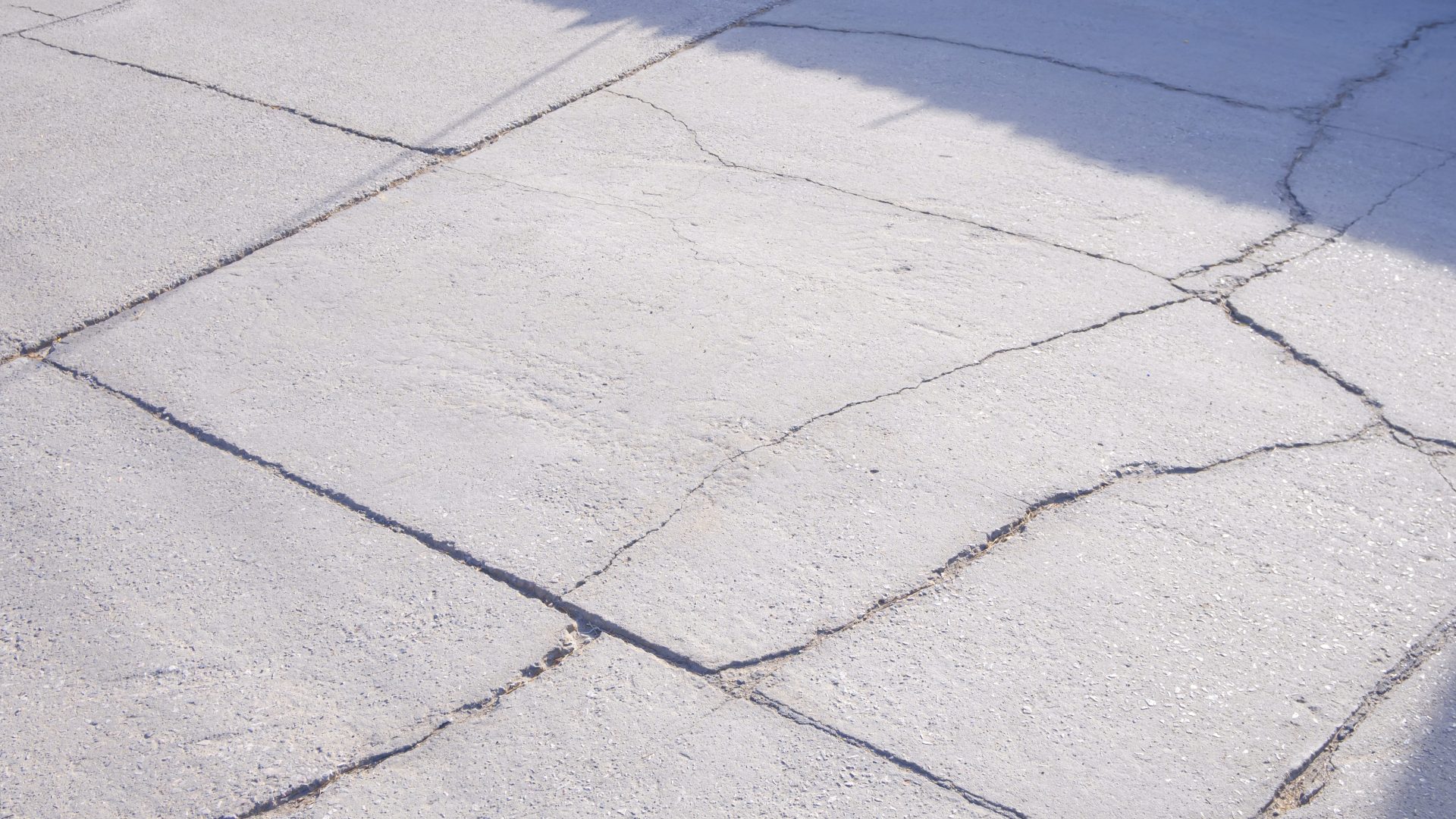
April 17, 2025Your concrete isn’t supposed to have a personality, but if your driveway or patio has started dipping, cracking, or slanting, you have to know that it’s definitely trying to say something. Uneven concrete is one of those home issues that sneaks up slowly. One day, everything looks fine, and the next, water is suddenly pooling where it shouldn’t.
It might not seem like a big deal at first, but ignoring it can turn into costly repairs, foundation headaches, and curb appeal nightmares. The good news is you can get ahead of it!
In this blog, we’ll break down the most common reasons concrete becomes uneven and show you how modern repair methods can restore stability.
Common Causes of Uneven Concrete
Soil Erosion or Washout
Water is a powerful force. Over a period of time, heavy rainfall, poor drainage, or even leaky plumbing can wash away the soil beneath your concrete. Once that support is gone, the slab above starts to sink, tilt, or crack. We’ve seen this happen around pool decks and patios where sprinkler systems will overwater the soil for years.
Poor Compaction
When builders pour concrete over soil that has not been properly compacted, it’s only a matter of time before things start to settle unevenly. This is especially common in newer homes and in places where the ground hasn’t had enough time to naturally compress. After a while, that loosely packed soil starts to shift, and so does your concrete.
Tree Roots
Trees are great for landscaping, but their roots? Not so much when it comes to concrete. As roots grow, they can push up against slabs, cracking or raising them. When those roots eventually die and decay, they leave behind air pockets and voids, leading to sinking.
Freeze-Thaw Cycles
If you are in your winter season, then you know the drill: freeze, thaw, freeze again. Moisture seeps into the soil, freezes, expands, and then thaws, then freezes again. This creates movement under your concrete. Over the years of this cycle, slabs shift and can break, especially if drainage is not managed well.
Heavy Loads or Traffic
Driveways and garage floors often take on a lot of heavy use. Whether it’s a large truck, a boat trailer, or even construction equipment, too much weight can cause slabs to crack or sink.
Time and Natural Settlement
Sometimes, it’s just age. Concrete, like your home’s foundation, will start to naturally settle over a period of time. Older installations particularly cause unevenness due to years of small shifts.
Why Uneven Concrete Shouldn’t Be Ignored
Safety hazards – Raised slabs and deep dips are a bit risky. One misstep can bring you the possibility of getting injured.
Aesthetic issues – Uneven sidewalks or cracked patios are not nice to look at.
Water drainage and foundation concerns – Pooling water near your home can lead to foundation issues or basement leaks.
Escalating repair costs – What might be a simple fix today could turn into a full replacement if you wait too long.
Repair Solutions: Fixing Uneven Concrete
Polyurethane Foam Injection (Concrete Lifting)
Also known as “polyjacking,” this is the go-to method for modern concrete repair. Here’s how it works: small holes are drilled into the concrete, and high-density polyurethane foam is injected into the under area. As it expands, it fills voids, stabilizes the soil, and gently lifts the slab back into place.
Why homeowners love it:
- Fast and clean
- Cost-effective compared to replacement
- Minimal disruption to landscaping
- Perfect for driveways, sidewalks, patios, pool decks, and more.
Mudjacking (Traditional Method)
Mudjacking is an older method of fixing uneven concrete. It works by pumping a thick mixture called slurry under the slab to lift it back into place. While it can work, it’s not as precise as newer methods. However, it is also heavier, messier, and takes a longer time to dry. Some contractors still use it, especially for big areas or older properties, but many are switching to foam lifting because it’s faster and cleaner.
Complete Replacement
Sometimes, if the concrete is too cracked, crumbled, or beyond saving, replacement is the best option. This is usually the most expensive route and requires demolition, framing, pouring, and curing.
Why Polyurethane Lifting is the Preferred Choice
- Durability – The foam used won’t erode or wash away, providing long-term support.
- Quick cure time – Most surfaces are ready for foot or vehicle traffic within hours.
- Clean installation – No heavy machinery or torn-up lawns.
- Eco-friendly options – Many foams are made with environmentally safe materials.
How to Know Which Fix is Right for You
So, how do you know it’s time to call in the pros?
Look for signs like:
- Cracks in slabs or steps
- Slabs that sink or rock when stepped on
- Water was pooling where it hadn’t before
- Doors or gates that no longer open easily due to the shifted ground
Conclusion & Call to Action
Uneven concrete is not something to ignore, It’s a problem that only gets worse if left unchecked. The great news is that it can often be fixed quickly, cleanly, and affordably with today’s modern techniques.
Whether your driveway’s sinking or your sidewalk’s cracking, there’s no need to wait. STL Polyjack specializes in fast, effective, and long-lasting Concrete Repair Services in St. Louis.
Don’t let a small problem turn into a big one. Schedule your free inspection today.