2026 Real Estate Trends: How Uneven Concrete Impacts Home Value and Inspections
February 25, 2026In 2026, buying homes has shifted from instinct to inspection. Real estate trends show buyers paying closer attention to maintenance, safety, and visible signs of structural integrity during inspections. Even minor defects are inspected because they might hint at larger maintenance or drainage concerns.
Uneven concrete, in particular, is overlooked by homeowners, but it can impact inspection reports, buyer confidence, and final sale price by raising concerns around safety, drainage, and long-term maintenance.
If you’re wondering, does uneven concrete affect home value? 86% of home inspections report at least one issue requiring attention. And exterior elements, such as driveways, walkways, patios, and slabs, are flagged in nearly 11.9% of inspections, making concrete conditions a repeated issue during buyer negotiations. That’s why understanding why uneven concrete matters in real estate is important in protecting your home’s value.
In Missouri specifically, the combination of expansive clay soil and seasonal weather changes accelerates concrete settlement.
Why Uneven Concrete Matters in Real Estate
Uneven concrete impacts buyers’ opinions before they even consciously evaluate the house, as driveways, walkways, and patios are the first parts that they see during a home visit. First impressions matter, as damaged concrete affects the curb appeal and points to underlying Safety and liability concerns for potential buyers.
During inspections, uneven slabs are documented as red flags and not cosmetic flaws. Inspectors note trip hazards and slab settlement in their reports, giving buyers a gap to negotiate repairs and ask for price reductions. Making a small exterior issue into a factor that affects the final sale.
Common Uneven Concrete Home Inspection Issues That Reduce Your Home's Market Value
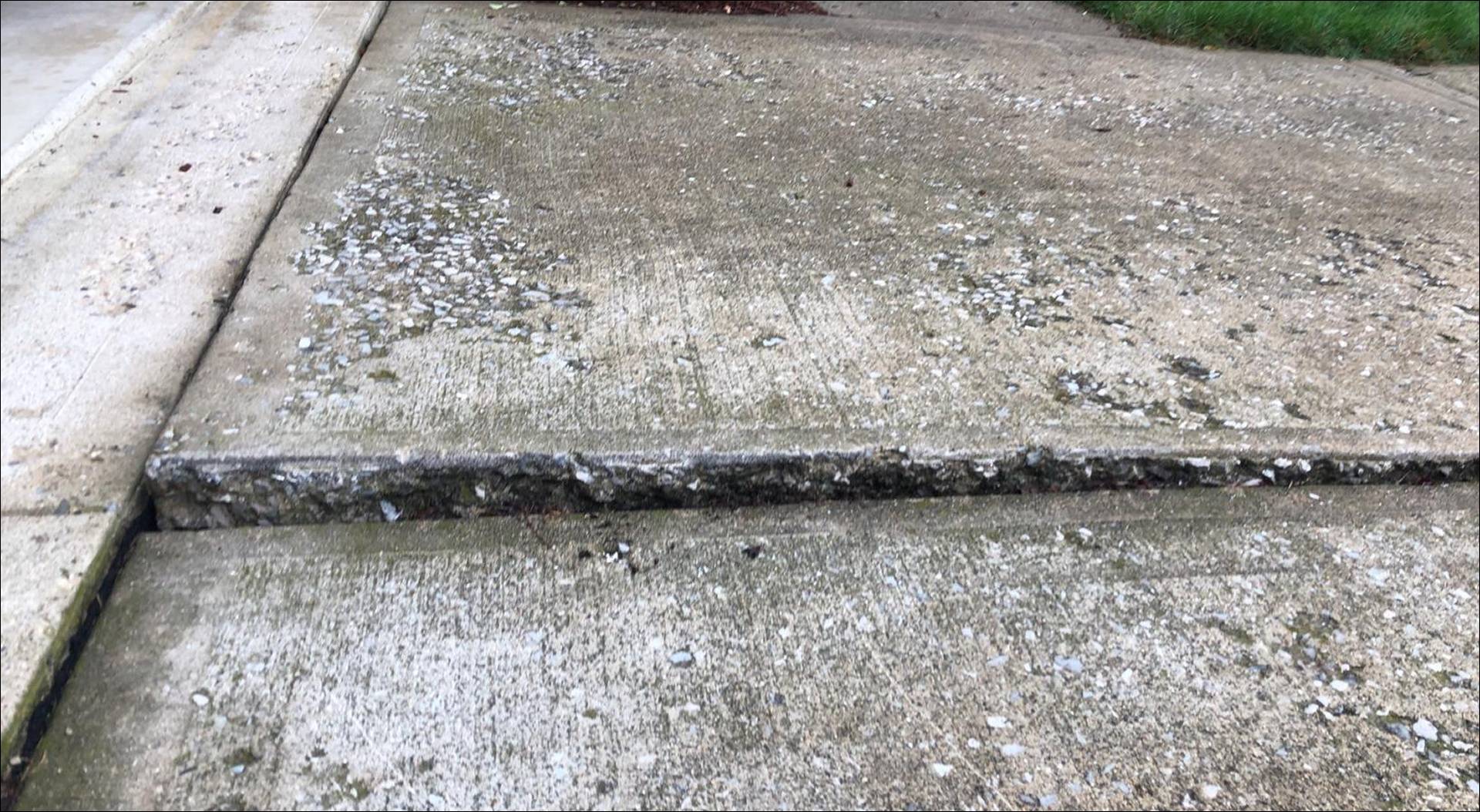
- Sunken or heaving driveways: Uneven driveways are one of the first things buyers notice, raising questions about drainage, soil movement, and overall property maintenance.
- Cracked sidewalks or patios: Fractures in walkways and patios suggest neglected care and can show underlying structural or water-related issues.
- Sinking interior slabs (basements, garages, home additions): Uneven floors inside the home show that the foundation is under stress or the soil shifts, which are marked during inspections.
- Water pooling or drainage issues around the foundation: Poor drainage can lead to long-term damage, making buyers hesitant about potential repair costs.
- Trip hazards and visible damage affect marketability: Safety concerns, combined with the surface damage, reduce buyers’ confidence and can reduce offer rates.
Uneven Concrete Home Inspection Issues: What Missouri Inspectors Look For
- Exterior inspection: Inspectors check for signs of soil erosion under driveways, sidewalks, patios, and pool decks. Uneven joints, minor bulges, or low spots that collect water can mean stability issues that aren’t easily noticed by homeowners.
- Interior inspection: Garages, basement floors, and additional slabs are evaluated for hairline cracks, unusual floor deflection, or misaligned doors and walls. These can reveal shifting foundations.
- Tools inspectors use: In addition to basic levels and moisture meters, inspectors may also use straightedges, laser levels, and even thermal imaging to detect hidden moisture or structural stress beneath concrete surfaces.
These inspection findings influence appraisals and buyer confidence. Even small signs of uneven concrete can be used by buyers during negotiations, highlighting repair costs or potential future risks. As a result, many sellers opt for polyjacking for home inspections to correct slab issues before reports impact negotiations.
The Financial Impact: Does Uneven Concrete Affect Home Value?
The answer to, Does uneven concrete affect home value is definitely yes, and the impact is often larger than sellers expect.
Repairing concrete after a home is sold usually costs more than addressing it before listing. Pre-sale repairs help maintain the home’s value and make it more attractive to buyers; postponing fixes can lead to unexpected expenses, delayed closings, and a lower selling price.
Homeowners should remember that even minor slab sinking can influence buyer decisions. Small dips, cracks, or uneven spots become negotiation points, with buyers requesting $2,000–$5,000 off for visible issues with the driveway, patio, or basement slab. As time passes, not addressing these problems can reduce appraisal values and make the property harder to sell at its full market potential.
Don't let uneven concrete cost you thousands in negotiations or weeks of delays
Schedule a free concrete inspection with STL Polyjack today.
2026 Real Estate Trends: Buyers Expect Proactive Maintenance
In 2026, buyers prefer homes that show consistent care and maintenance. Properties with documented repairs, inspections, and preventive measures stand out in competitive markets and maintain homeowner confidence in having a well-managed home.
Addressing pre-sale concrete repairs is a clear way to meet this expectation. And leveling driveways, patios, and interior slabs gives you a marketing advantage to advertise your home as a “professionally leveled and stabilized concrete “, showing that the home is ready for sale without hidden repair costs.
How STL Polyjack Helps Homeowners Protect Property Value
STL Polyjack provides professional concrete solutions that protect home value while addressing structural and aesthetic issues:
- Minimally invasive slab leveling: Lifts sunken or uneven concrete using polyurethane foam, restoring safety and smooth surfaces without major demolition.
- Interior and exterior coverage: Addresses driveways, patios, basement floors, and slab additions to ensure both indoor and outdoor areas are secure and visually appealing.
- Crack repair and sealing: Stops cracks from spreading and prevents recurring damage, protecting structural integrity
- Waterproofing options: Shields slabs from water and soil issues, reducing future maintenance and long-term repair costs.
Concrete Tips Every Homeowner Should Know Before Selling in 2026
If you’re among the homeowners planning to sell in 2026 or homeowners preparing for inspections, these concrete tips will protect your sale price and accelerate your closing.
- Inspect and repair before listing: Check driveways, patios, garages, and basement slabs for cracks, sinking, or uneven surfaces, and fix issues proactively to protect values.
- Highlight completed repairs: Show buyers that concrete problems have been addressed, building confidence and reducing negotiation leverage for price reductions.
- Include documentation: Provide maintenance records and inspection reports with your listing to demonstrate a history of proactive care.
- Use professional photos: Capture smooth, safe slabs in listing images to showcase curb appeal and reinforce the home’s quality to potential buyers.
Frequently Asked Questions
Uneven concrete itself may not fail a home, but inspectors flag it as a safety or structural concern. Which can influence appraisals and buyer negotiations.
Pre-sale repairs like slab leveling, crack sealing, and waterproofing improve appearance, safety, and buyer confidence.
Common inspection areas include driveways, sidewalks, patios, pool decks, garage floors, basements, and any additional slabs.
Keep inspection reports, maintenance records, and before-and-after photos of repaired slabs. Including these in your listing demonstrates care and reduces buyer hesitation.
Most jobs are completed in a few hours, depending on the size and number of slabs. Minimal disruption means you can use your surfaces almost immediately after repair.