Why DIY Concrete Repair Can Lead to Costly Mistakes
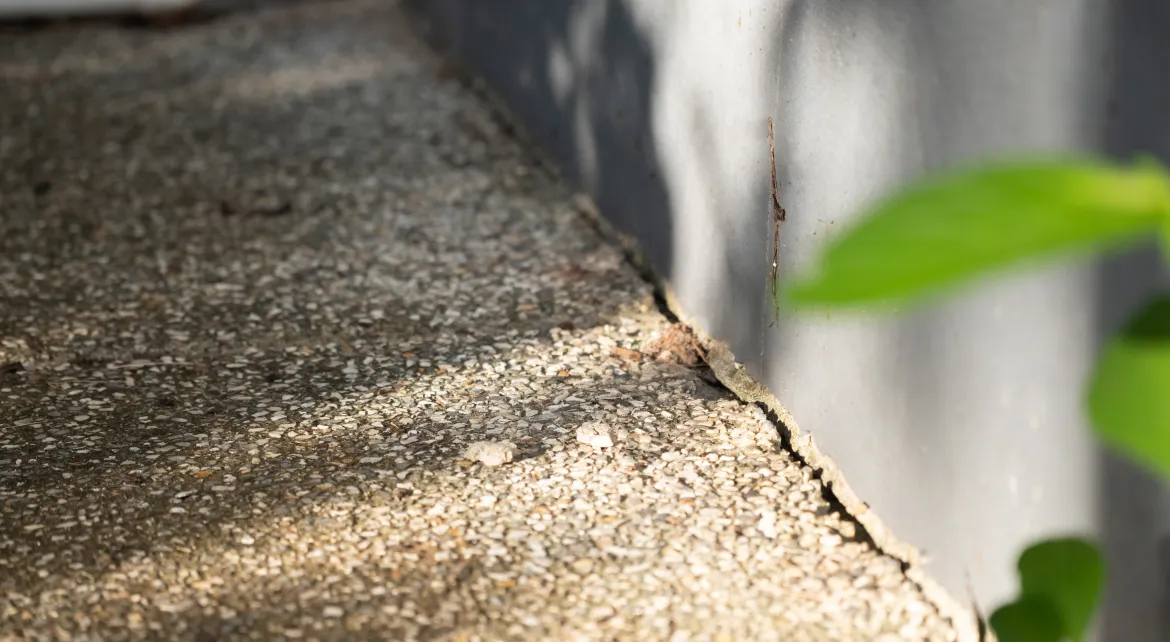
April 22, 2025You should know that it all starts with a crack.
One day, you’re walking across a driveway and find a hairline fracture near the edge. You just think that it is not going to be a big deal. You think you figured out the issue after going to the home repair store or watching YouTube tutorials.
Not quite!
After a few months, the crack reappears in an expanded version, a bit longer, wider, and has neighbors. Even the water starts to pool. Sometimes your garage floor will start sloping slightly, and at times your porch steps feel like they’ve shifted. Turns out, you did not fix the original problem, you have just bandaged it.
Welcome to the reality of DIY concrete repair. Your tutorials and TikToks make it look easy. It tempts you to tackle everything by yourself. But when it comes to concrete, you can’t see the main root of the problem.
Let’s break down why do-it-yourself fixes often backfire and why calling a professional like STL Polyjack can actually save you time, money, and peace of mind.
The Complexity of Concrete Issues
Concrete isn’t just a surface, it’s part of your home’s foundation system. When something goes wrong, it could affect the entire area below the surface.
Surface crack? It could be something deeper.
A crack might look small, but it could be a symptom of soil erosion beneath the slab or poor water drainage that is redirecting moisture under the surface. DIY repair kits are designed to mask the surface damage, but they don’t address the root cause. That means your “fix” is only temporary, and in some cases, it accelerates deterioration.
Common DIY Mistakes
Even with the best intentions, most DIY concrete jobs run into predictable problems. Here are some of the most common:
Poor Surface Preparation
If you don’t thoroughly clean and prepare the area, removing dirt, oil, and old filler, the repair won’t bond properly. That means it may peel or flake off after just one season.
Using the Wrong Materials
You have to know that caulk, store-bought crack fillers, or quick-setting mixes are not built for structural stability. They might look like they’re working, but they can’t support the weight or pressure that real concrete undergoes daily.
Uneven Leveling
Trying to lift sunken slabs with sand or gravel often causes uneven surfaces, trip hazards, or worse, redirected water flow that damages foundations or landscaping.
Ignoring Drainage Issues
If water isn’t directed away from your slab, the problem will come back fast. Many DIYers fix the slab without addressing the downspout or slope that makes it sink in the first place.
The Cost of Getting It Wrong
Let’s be real, concrete repair isn’t cheap. But doing it wrong? That’s expensive.
Double or triple the cost
When a DIY fix fails, pros have to undo it before they can do the actual repair. That means more labor, more time, and a higher bill than if you had called in to begin with.
Voided warranties or insurance
If your repair affects other parts of your property, like a slab that is leaning into a foundation wall, it might include warranties. Insurance claims may also be denied if it’s shown that poor repairs contributed to the damage.
Property value and inspections
DIY repairs always stand out. Whether it’s an uneven driveway or poorly patched cracks on a porch, home inspectors can identify these flags. That could cost you during resale negotiations, or it might require a full replacement to pass inspection.
The Benefits of Professional Repair
Hiring a professional like STL Polyjack isn’t just about doing the job right, it’s about understanding the full scope of the problem and providing a long-term fix.
Accurate Diagnosis
We don’t just look at cracks, we analyze soil stability, moisture levels, drainage flow, and structural shifts. That means you’re getting to the cause, not just treating the symptom.
Modern Solutions: Polyurethane Foam Injection
Our go-to repair method uses expanding polyurethane foam to lift and level slabs. It’s fast, clean, and highly durable.
- Quick cure time – You can walk or drive on it the same day.
- Non-invasive – No large demolition or loud equipment.
- Long-lasting – The foam is water-resistant and built to withstand freeze-thaw cycles.
Improved Safety and Curb Appeal
Level walkways, smooth driveways, and stable porches not only look better but they are safer for your family and guests.
Invest in Doing It Right the First Time
DIY projects can be fun, empowering, and cost-saving when done correctly. But concrete isn’t paint or wallpaper. It’s fundamental. A poor repair might last for a few months, but the long-term costs, both financially and structurally, can be significant.
By working with professionals like STL Polyjack, you’re investing in a safer and trustworthy solution that lasts. We give free inspections because we believe homeowners should know what they’re dealing with before they spend a dime.
Don’t gamble with your concrete contact STL Polyjack today for a professional, lasting fix. For trusted, high-quality Concrete Repair in St. Louis, we’re just a call or click away.