Why Missouri Winters Demand Basement Waterproofing
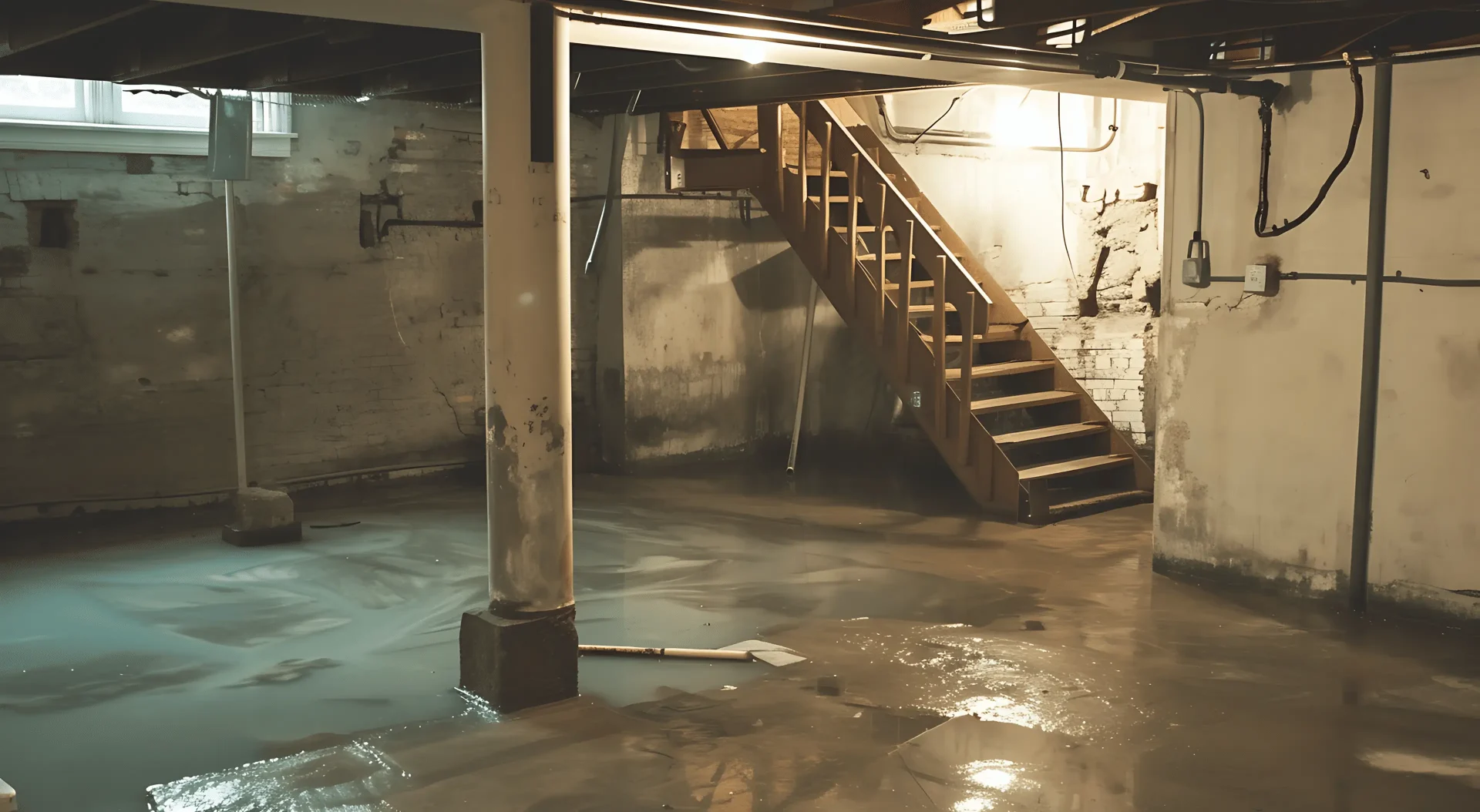
October 31, 2025When you think about winter in Missouri, it’s usually ice-covered roads or cozy evenings indoors, not worrying about a leaky basement. But our winter climate with its freezing temperatures, snow, and thaw cycles can put your basement at risk for water intrusion.
So, why do homeowners often notice leaks or damp basements during or after winter? It’s simple: the melt cycle fills the soil with water, and the freeze cycles push the ice against your walls, damaging the walls with moisture.
That’s why waterproofing is not just a warm-weather task, it’s something you should think about before and during the cold months, too. Taking this step helps protect your basement all year long, especially through the toughest winters.
The Winter Effect: How it Affects Your Foundation
Even the most durable foundation faces relentless pressure during winter. Understanding how seasonal changes affect your home is essential for preventing basement water damage.
- Freeze-thaw Cycles
The biggest challenge for foundations during winter is constant temperature fluctuation. When the water absorbed by the soil freezes, it expands by about 9% applying pressure that pushes against your basement walls. This repeated cycle slowly damages your home’s structure. - Snowmelt and Rainfall
During deep snow melts the ground surrounding your home quickly becomes saturated with moisture. This water-soaked soil is incredibly heavy and is constantly pushing moisture toward your foundation walls and finding an opening to seep through. - Hydrostatic Pressure
When the soil around your home gets soaked, the volume and weight of the trapped water create immense pressure against your basement walls. This pressure can push through small cracks or weak spots, forcing it into your basement. - Frost Heave
This is particularly damaging to concrete, as the water deep in the soil freezes, it expands and physically lifts and shifts the ground. And it adds a strong, uneven strain on your foundation, causing structural shifts and creating new cracks.
Common Signs of Winter Basement Problems
Missouri’s cold months can put your foundation under stress, even without heavy flooding. Don’t wait until you find a large puddle to realize you have an issue because even minor signs can indicate bigger issues developing beneath the surface. If you notice any of the following signs, your foundation is struggling to handle the moisture pressure.
- Damp or musty smell after the snow melts. The persistent odor is a clear sign of hidden moisture trapped inside your walls or beneath your floor.
- Water stains or efflorescence on the basement walls. This white, powdery residue is visual proof that water is penetrating the concrete and evaporating, leaving mineral salts behind.
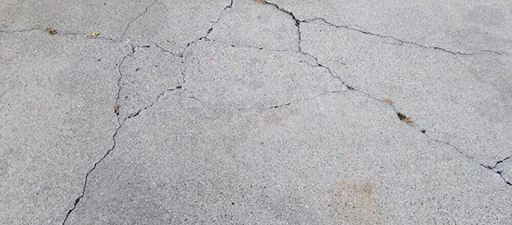
- Small foundation cracks are widening through the winter. The continuous expansion and contraction of soil create tiny openings.
- Pooled water near the basement windows or floor edges. This is often the most direct sign that water has invaded the area.
- Increased humidity or condensation. If the air in your basement feels heavy and moisture beads on cold pipes or windows, water vapor is constantly entering through porous concrete.
Common Foundation Types
Poured Concrete
This type is a single, joint-free solid wall and is most common in the Midwest. It’s water resistant, and cracks here are often straight, usually the result of the concrete curing process.
Concrete Block or Brick Foundations
These walls are built from individual units held together by mortar. When these foundations move, the resulting cracks usually follow the mortar joints in a distinct “stair-step” pattern.
Slab-on-Grade Foundations
This is a thick, massive concrete slab poured directly on the ground with no basement or crawl space, making it common in south and coastal regions. When cracks appear, they show up on the floor itself or near the base of interior walls.
Crawl Spaces and Basement
Both involve full or partial walls that are directly exposed to external soil and fluid pressure, which can cause the walls to bend or shift sideways.
Beyond the foundation walls, the external environment is also important. You must consider how local soil and climate impact foundation design, especially in areas like St. Louis the local clay soil expands and shrinks. This directly relates to the role of the footing in supporting and stabilizing the structure, as it distributes your home’s weight.
| Regional Factor | Impact on Your Foundation |
|---|---|
| Midwestern soil composition | The clay-heavy soil expands when wet and shrinks when dry, impacting your foundations. |
| Rapid temperature swings | These temperature swings that are unique to Missouri’s winters increase freeze-thaw stress on your concrete. |
| Older homes | Many Missouri houses were not built with modern waterproofing methods, leaving their foundations exposed to decades of shifting soil. |
| Regional precipitation | Missouri’s winter and early spring bring consistent moisture that worsens foundation risks by continually saturating the ground. |
Why Missouri Homes Shouldn’t Skip Basement Waterproofing
| Regional Factor | Impact on Your Foundation |
|---|---|
| Midwestern soil composition | The clay-heavy soil expands when wet and shrinks when dry, impacting your foundations. |
| Rapid temperature swings | These temperature swings that are unique to Missouri’s winters increase freeze-thaw stress on your concrete. |
| Older homes | Many Missouri houses were not built with modern waterproofing methods, leaving their foundations exposed to decades of shifting soil. |
| Regional precipitation | Missouri’s winter and early spring bring consistent moisture that worsens foundation risks by continually saturating the ground. |
Basement Waterproofing in St. Louis: Essential Winter Protection for Your Home
Stop thinking of waterproofing as a massive patch job. When done right, it acts as an active shield: a true winter defense system that locks moisture out and keeps warmth in. Professional services provide five critical layers of protection that work continuously throughout all seasons.
- Stop the Freeze Damage:
Waterproofing works by making sure your system seals cracks and prevents leaks before water freezes inside them. This is key because stopping water prevents the expansion of ice from tearing your concrete apart. - Control the Pressure:
A quality system reduces hydrostatic pressure by managing groundwater effectively. By installing drainage systems, the weight and volume of saturated soil are relieved, dramatically reducing the possibility of a wall breach. - Halt Bio-Hazards:
Trapped winter moisture is a prime breeding ground. Waterproofing prevents mold and mildew growth caused by trapped moisture - Structural Longevity:
Investing now protects your foundation’s structure from long-term freeze-thaw damage. This makes sure the most critical component of your home remains stable for decades, avoiding major future repair costs. - Boost Efficiency:
Finally, by blocking the constant entry of moisture, waterproofing improves energy efficiency by keeping cold, damp air out, resulting in a noticeable reduction in heating expenses.
Basement Waterproofing Solutions You Can Count On
| Waterproofing Approach | Purpose | Homeowner Benefit |
|---|---|---|
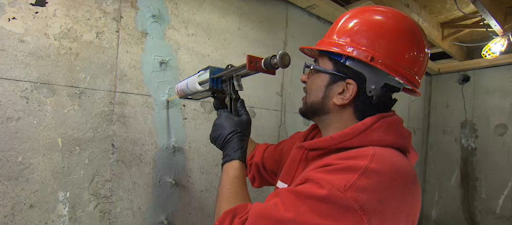
| Polyurethane Crack Injection | Seals active leaks and remains flexible during temperature changes. | Gives a long-lasting, flexible seal that moves with your concrete. |
| Interior Drainage Systems / Sump Pumps | Manage groundwater before it enters the basement. | Releases hydrostatic pressure and prevents basement flooding. |
| Exterior Grading & Downspout Adjustments | Involves modifications to divert water away from the foundation perimeter. | Simple fixes to reduce the volume of water saturating the soil around your home. |
| Vapor Barriers or Sealants | Prevent moisture from seeping through porous concrete. | Controls interior humidity and prevents mold growth. |
Don’t Wait for Leaks: When to Book your Waterproofing Assessment
Conclusion: Don't Wait for Spring Flooding
Suppose you want to remember only one thing about winter maintenance. Let it be winter, waterproofing your home, especially your basement, and remember that it is a proactive and cost-saving step.
Act before it’s too late. We need to stress that you must protect your basement before the freeze-thaw cycle worsens the cracks. Stop those small liabilities from becoming expensive disasters. Choosing professional Basement waterproofing in St. Louis is your guarantee of a dry, secure home through every season.