Winter-Proofing Your Concrete: Tips to Prevent Cracking and Settlement
November 26, 2025Each time the shovel hits the frozen concrete, it exposes the damages Missouri’s winter has already begun. The cold months are always hard on your driveway, sidewalk, and patios. Snow, ice, and constant freezing and thawing can cause concrete to crack, shift, or sink unevenly.
The water that seeps into small gaps expands when it freezes, slowly breaking apart the surface. As time passes, this leads to bigger problems that cost a lot to get it fixed. If you want to know how to prevent concrete cracking in winter and have your surface survive the season, get ahead of the freeze. This guide shares the practical way to protect the surface of your concrete before winter sets in.
Why St.Louis Winters Crack and Damage Concrete
It does not take a big snowstorm to damage concrete. In just a few freezing nights, water seeps into small cracks, turns to ice, and expands when the temperature rises again, slowly pushing the concrete apart. Each time the concrete freezes and thaws, the damage gets a little deeper.
When moisture collects under the concrete slabs, it freezes and thaws, which makes the soil move. This leads to sinking corners, uneven slabs, and wobbly slabs. Older or unsealed concrete is especially at risk; without a proper seal, it absorbs water like a sponge and is likely to be damaged once winter sets in. Regular concrete winter maintenance, like sealing, can help stop small issues from becoming big.
Spot the Early Warning Signs of Concrete Damage
Small signs show up long before winter begins. Here’s what to look for around your driveway, patio, or sidewalk.
Cracks Forming or Widening:
Thin lines may seem harmless, but they let water seep in, and it undergoes the freeze-thaw cycle. After a while, the small lines can turn into deep fractures that weaken the whole slab.
Slabs That Start To Sink:
A corner that dips or feels lower means the soil under it has shifted. As moisture expands and shrinks, it leaves hollow spaces that pull the slab down. If you don’t fix the uneven spots, it becomes a trip hazard that can make the space unsafe.
Gaps along the Edges:
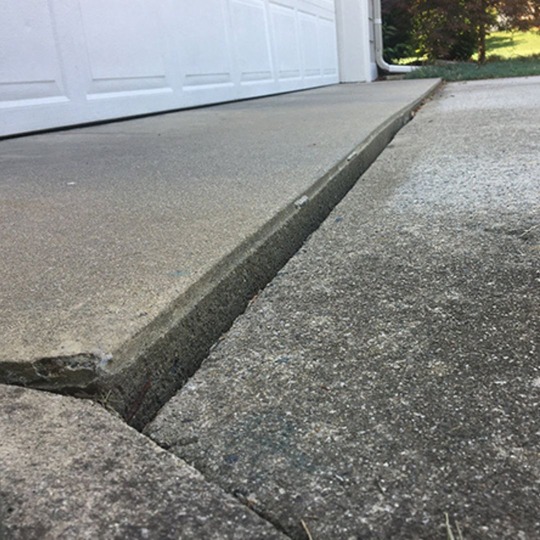
It’s one of the clear signs that the soil under the concrete is unstable. When concrete pulls away from the foundation, it creates gaps, and these gaps let water in, which keeps pushing the slab farther from the base.
Puddles That Refuse to Drain:
Puddles that stay on your surface show that the concrete has started to sink. Water sitting too long can weaken the concrete and cause scaling, peeling, or even break the surface. Fixing a proper drainage system is an important step in winter prep.
5 Essential Steps for Concrete Waterproofing in St.Louis
Winter-proofing starts with prepping your concrete before winter begins. Water, salt, and freezing weather are slowly causing damage, but taking a few steps now can keep your concrete surfaces in good shape all winter.
Seal Cracks and Joints
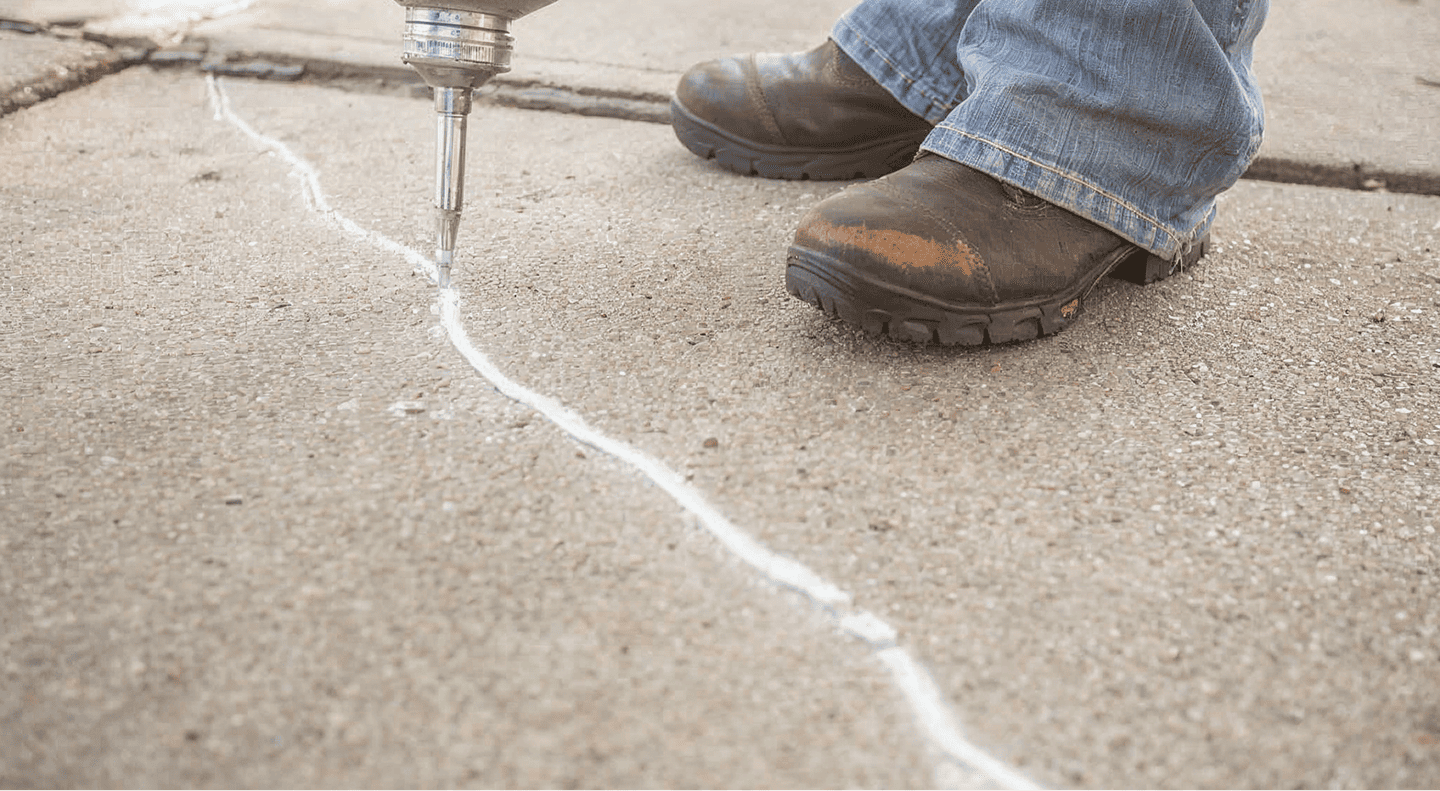
Fix small cracks before winter starts, as water can seep in and freeze inside, causing damage. Hire a professional to seal cracks and joints. A clean, tight seal can keep the moisture out and stop small cracks from becoming big problems.
Ensure Proper Drainage
Check the flow of water on your concrete surface and make sure the gutters and downspouts are away from your slabs. If water puddles near the slab, fix the slope or extend your downspouts. Good drainage flow keeps concrete from cracking or sinking.
Apply a Quality Concrete Sealer
A sealer is an added layer for your concrete during cold months. It adds a layer that blocks moisture, road salt, and ice from seeping into it. Reapply every one to three years to protect your concrete surfaces. Local experts in Concrete waterproofing in St.Louis can help you pick the best sealer.
Be Smart About Snow and Ice Removal
Schedule a Professional Assessment
Book a quick concrete check-up before the cold weather starts. A professional can spot weak areas or sinking areas and fix them before they get worse. Early repairs now save you from bigger damage in spring.
Polyjacking: To Prevent Winter Settlement
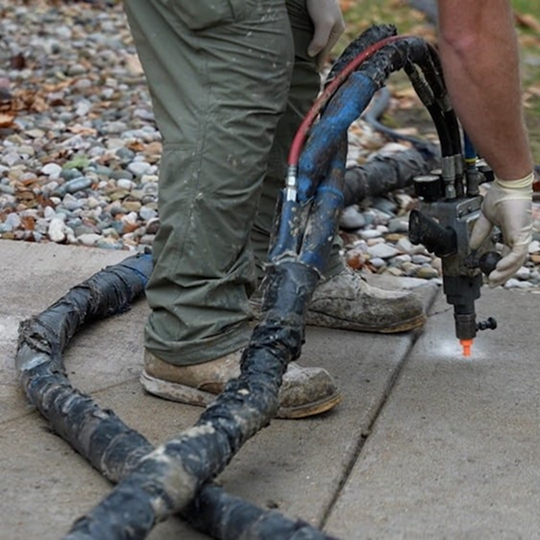
What do you do if you already have shifting or sinking slabs? The best thing you can do is to fix the problem before winter makes it worse. Polyjacking is a simple and effective way to lift and level your sunken concrete.
It works by filling empty spaces under the concrete and stabilizes the soil beneath the concrete. This helps prevent slabs from sinking during winter thaw cycles and is a quick, clean, and long-lasting solution that stops the damage before it gets much worse.
Conclusion: Why Preparing Now is Worth it
Should you worry about prepping your concrete? It’s simple: treating your concrete surface protects your investment and avoids costly repairs after winter damage. And saves money that could have ended up going towards replacing your whole surface.
Your efforts in taking care will extend the life and appearance of your concrete surfaces. Preparation keeps driveways, sidewalks, and patios safe and leveled all year. For the best protection against winter wear, professional Concrete Crack Repair in St.Louis makes your property look great for years.
Fix cracks and level up your driveway before the cold sets in!
Contact STL Polyjack today for a free inspection and get your property ready for winter.