
Winter-Proofing Your Concrete With Polyurethane: Stop Cracks and Settlements Early
December 18, 2025If you want to win against concrete damage in winter, you have to take preventive measures to protect your concrete during winter. And if you live in St.Louis, you know how tough winter can be. Water and ice cause the biggest damage to concrete. As the weather constantly shifts from freezing to melting and back again, the water that seeps into the concrete expands, contracts, and repeats the cycle. This creates cracks, hollow spaces, and sinking slabs as the movement pushes the concrete slabs apart from the inside, which creates deep repairs.
And nobody enjoys paying for expensive home repairs, but these small issues will soon grow deeper, causing even more serious problems. Your solution to this is to invest a small amount of time and effort in winter-proofing today, so that you can save yourself from a $10,000+ bill in replacing the concrete later. Keep reading to learn how and why winter damages your concrete.
Why Your Concrete Cracks or Sinks in Winter
Concrete is not a solid, continuous floor, it is porous, which means the surface has tiny holes inside. When it rains or if the snow melts, water seeps into those holes. Then, when the temperature drops, that water inside the concrete expands by about 9% when it turns into ice.
When a bottle of water is tightly capped and placed in the freezer, it bursts as the water freezes, not being able to withstand the pressure. That’s exactly what happens inside the concrete. This expanding ice creates wider cracks. Since the weather in St. Louis is constantly shifting, this ‘freeze-thaw’ cycle repeats, fracturing the concrete from the core.
Snow and ice are harmful, but the chemicals used to melt them can damage the concrete as well. Road salts and de-icer weaken the concrete outer layer, where water gets in, creating further damage. This leads to another major problem, sinking concrete slabs. When the ground freezes, thaws, it leaves empty spaces underneath your driveway or sidewalk. The concrete slabs sink into those spaces, creating an uneven concrete floor.
Tips to Winter-Proof Your Concrete
7Seal Your Concrete Surfaces 1
This is the most important step in proactive maintenance, if water can’t get in, it can’t freeze and push your concrete apart. To make this possible, use a quality waterproof concrete sealant to prevent moisture from penetrating. Do not use cheap paint on the surface layer. Look for a penetrating sealer that goes deep into the surface. A sealant creates a moisture barrier that reduces water absorption, slowing down the freeze-thaw damage.
Repair Cracks Early
Your concrete is weakest where there are cracks, even small cracks can let water in and disturb the structure of the concrete. If you leave them open, rain or snowmelt goes straight under the concrete. You must fix these cracks before winter, and stop these hairline cracks from getting bigger. It’s best to call a professional for concrete caulking services, as they know what should be done to prevent concrete cracking before winter
Proper Drainage
Use Safe De-Icers
Schedule Preventive Maintenance
Any existing uneven or sinking concrete should be fixed right away. The damaged spots can become trip hazards, and also hold water. When water sits there, it is either washed away by the soil or freezes and cracks the concrete. The best way to fix uneven concrete before winter is to have a professional inspect these settling areas.
How Polyurethane Foam Can Help Fix Concrete
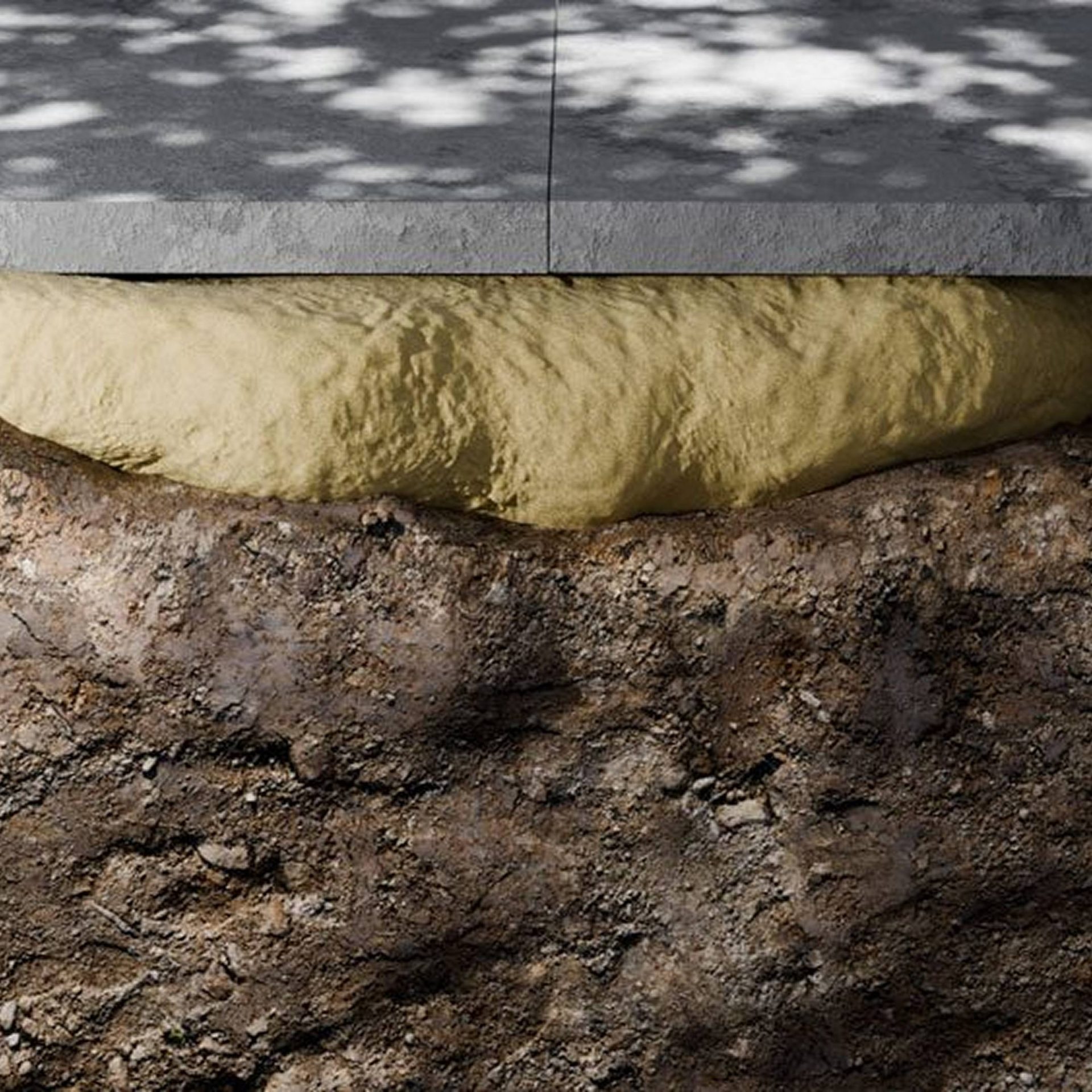
Sinking concrete is mainly a soil problem caused by water erosion. It’s when the soil underneath is washed out by water. Polyurethane foam leveling fixes that permanently. The crew injects an expanding foam into the empty spaces below the slab. The foam spreads into every gap where the soil has gone, fills those spaces, and makes the base solid and strong again.
When it hardens, it blocks water from seeping under the concrete in the future, so it’s less likely to sink again. The foam itself is lightweight, strong, and resistant to freeze-thaw cycles that destroy the soil. In a city like St. Louis, partnering with a team with local expertise like STL Polyjack gives your concrete a fix that fits with the local ground conditions.
Conclusion
The easiest way to make sure you don’t face a huge, costly mess next spring is to take charge now and fix the small issues. The first step is making sure water cannot slip into your slabs. Handling the little things today, from minor cracks to clearing downspout issues, you save yourself from big repair bills later.
This is really about staying one step ahead of winter. Find a great concrete caulking company in St. Louis that uses good grade materials that suit the region’s freeze-thaw conditions.
Take a minute now and save your concrete from winter damage.
Have STL Polyjack take a quick look under your slabs and fix the weak spots